



Quality sleep is the foundation of good health, yet millions struggle to get the rest they need. If you’re tired of tossing and turning, these evidence-based strategies can help you achieve deeper, more restorative sleep without medication.
Create Your Ideal Sleep Environment
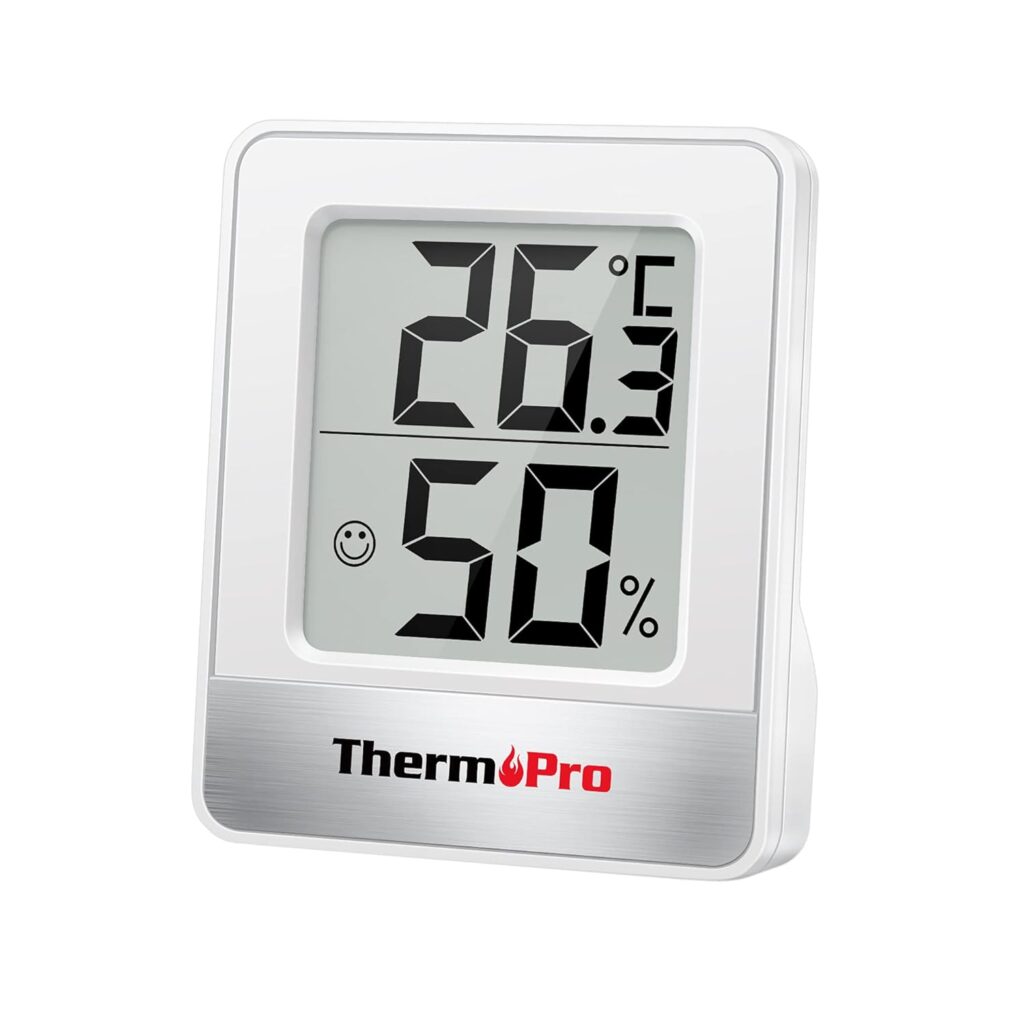
Your bedroom should be a sanctuary for rest. Start by controlling three key factors: temperature, light, and sound.
Temperature matters more than you think.
Research shows the optimal bedroom temperature for sleep falls between 15-19°C (60-67°F). Your body naturally drops in temperature as you prepare for sleep, and a cooler room facilitates this process.
Eliminate light exposure – Even small amounts of light can disrupt melatonin production. [Blackout curtains are your first line of defense, blocking external light pollution from streetlights and early morning sun. For complete darkness, pair them with a high-quality sleep mask. Modern sleep masks use memory foam and contoured designs that block light without pressure on your eyes, making them perfect for travel or shift workers.

Click here for Blackout Curtains
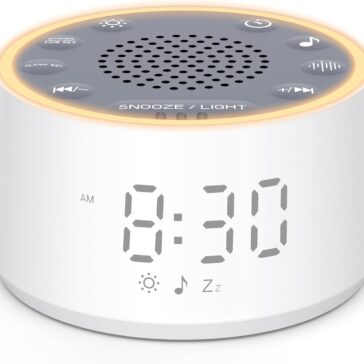
Minimize noise disruptions – If you can’t control environmental sounds, a white noise machine can help create consistent audio conditions throughout the night. Look for models with multiple sound options like rain, ocean waves, or pure white noise. Alternatively, high-quality earplugs designed specifically for sleep can reduce disruptive sounds while remaining comfortable for side sleepers.
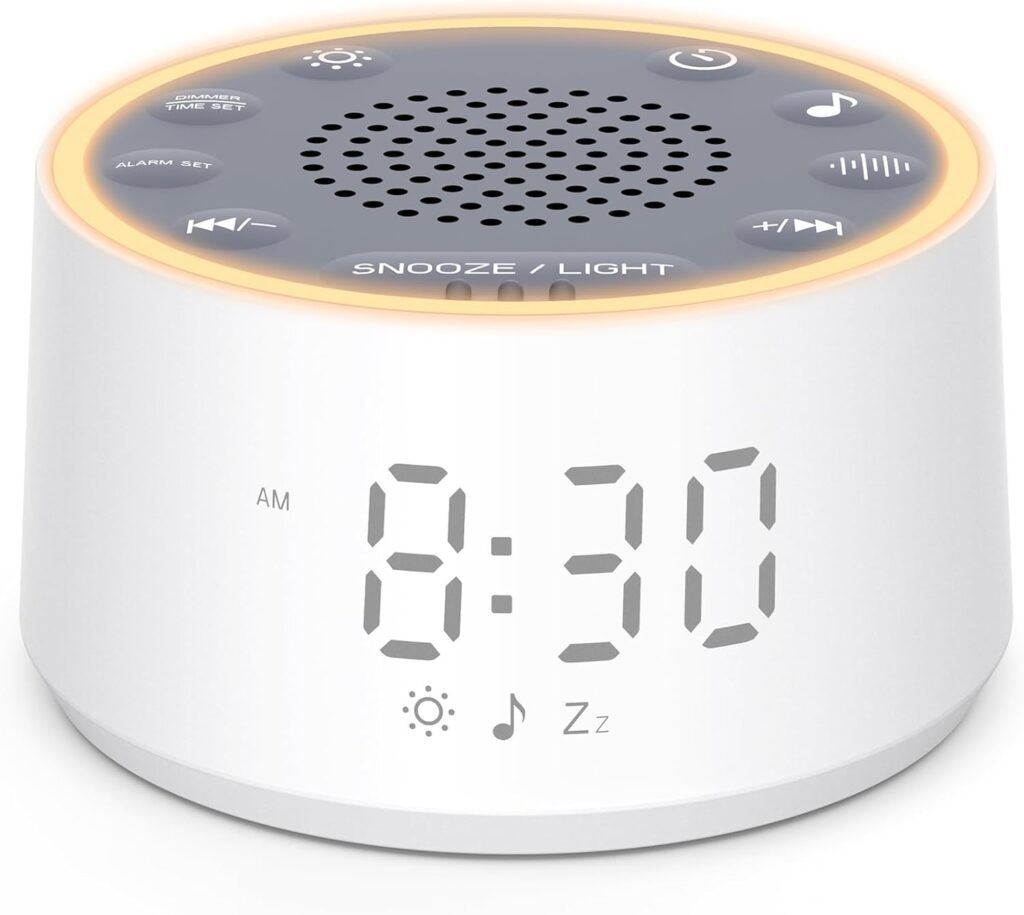
Click here for White Noise Machine
Master Your Sleep Schedule
Consistency is powerful. Going to bed and waking up at the same time every day—yes, even on weekends—helps regulate your circadian rhythm. This internal clock controls your sleep-wake cycle, and regular timing strengthens its signal.
Your body thrives on predictability. After just one week of consistent sleep timing, many people report falling asleep faster and waking more refreshed.
Optimize Your Pre-Sleep Routine
The hour before bed sets the stage for quality sleep. Create a wind-down ritual that signals to your body it’s time to rest.
Limit screen time – The blue light from phones, tablets, and computers suppresses melatonin production. If you must use devices, enable night mode in the evening hours. Ideally, stop screen use 60-90 minutes before bed and consider using a sunrise alarm clock instead of your phone as your wake-up device—these gradually increase light to wake you naturally.
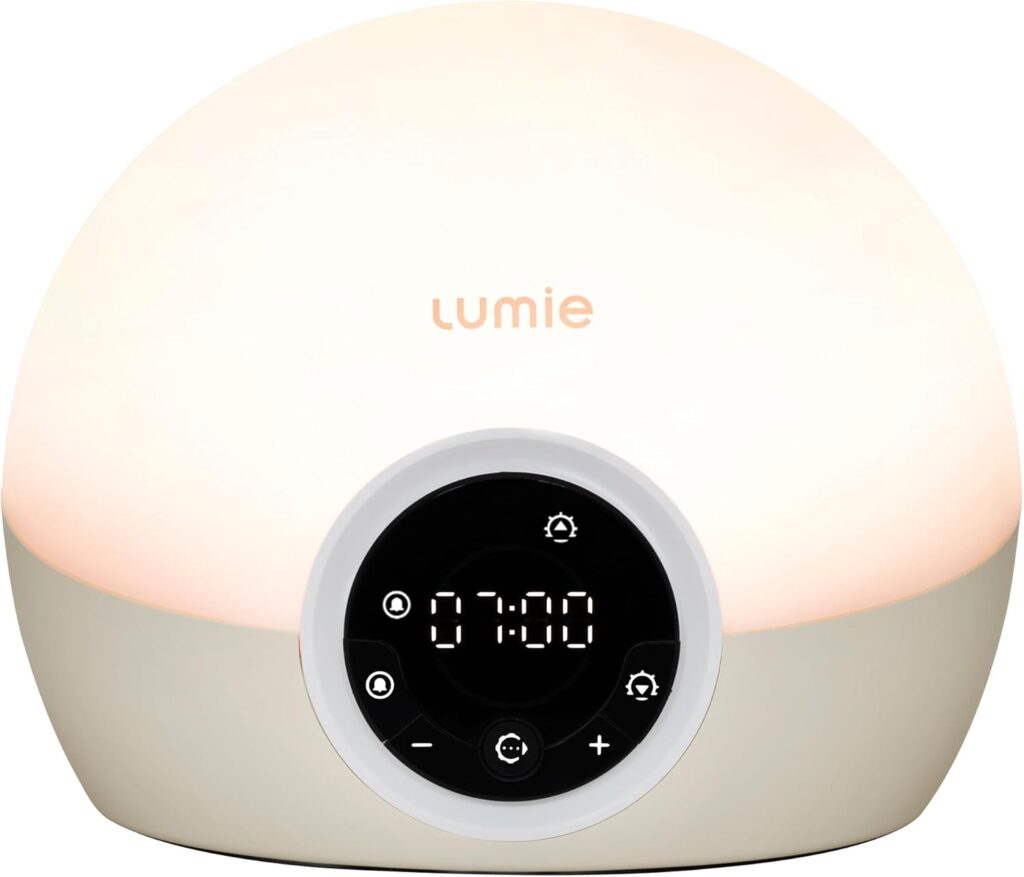
Click here for Sunrise Alarm Clock
Try gentle movement – Light stretching, restorative yoga, or a brief walk before bed can release physical tension without revving up your system. A foam roller or massage ball set can help release muscle tension before bed, especially if you carry stress in your neck and shoulders.

Click here for Massage Ball Set
Practice relaxation techniques – Deep breathing, progressive muscle relaxation, or meditation can quiet racing thoughts and activate your parasympathetic nervous system. Consider using a guided meditation app or aromatherapy diffuser with calming essential oils like lavender or chamomile to enhance your wind-down routine.

Click here for Aromatherapy Diffuser
Upgrade Your Sleep Tools
Sometimes simple upgrades make a significant difference.
Invest in pressure relief – A weighted blanket (typically 10% of your body weight) provides deep pressure stimulation that can reduce anxiety and promote feelings of security. Many users report falling asleep faster and experiencing fewer nighttime awakenings. Look for breathable materials like cotton or bamboo for year-round comfort.
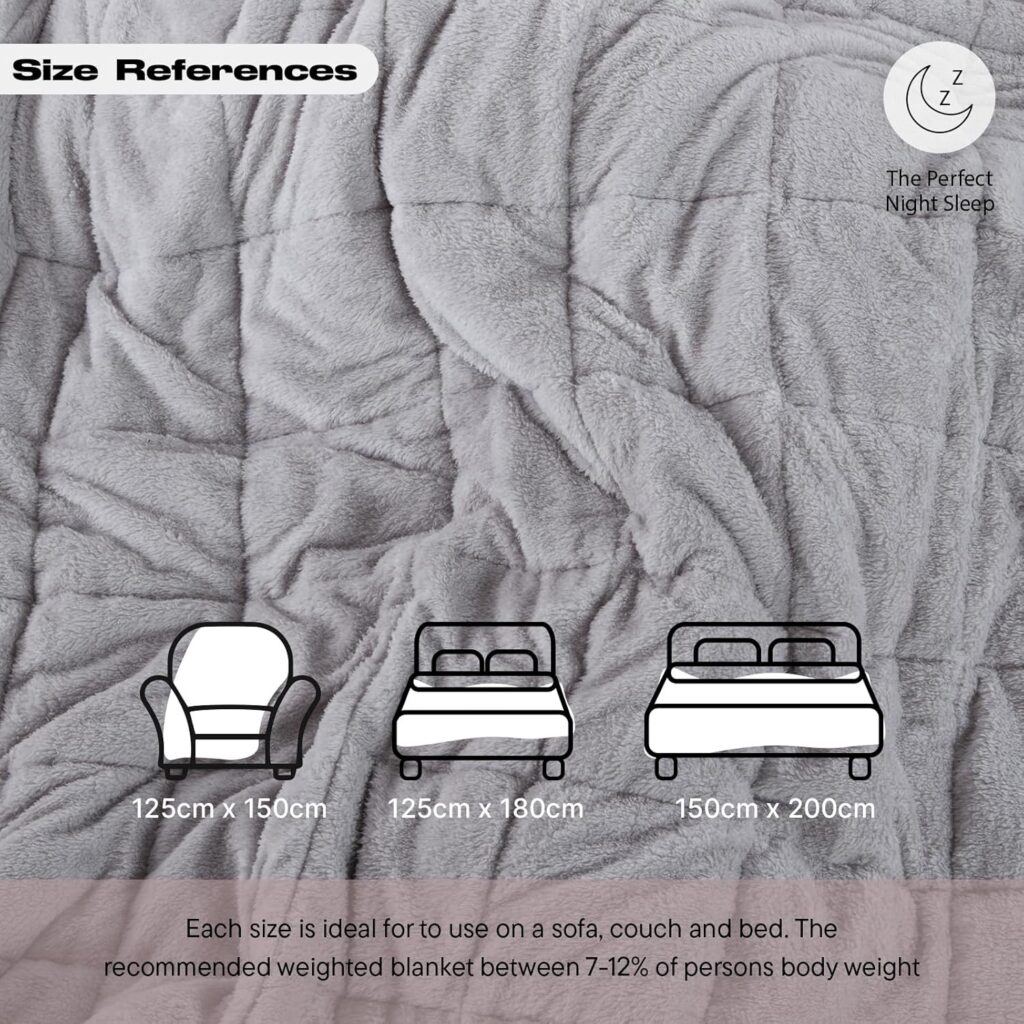
Click here for Weighted Blanket
Evaluate your pillow and mattress – If yours are more than 7-8 years old, they may no longer provide adequate support. The right pillow depends on your sleep position—side sleepers need more loft, while back sleepers benefit from medium support. Consider a memory foam pillow or adjustable pillow that lets you customize the fill. For mattresses, a cooling mattress topper can extend the life of your current mattress while regulating temperature.
Invest in quality bedding – Breathable cotton sheets or moisture-wicking bamboo sheets can significantly improve comfort, especially if you tend to sleep hot. Thread count matters less than fabric quality—look for 300-500 thread count with long-staple cotton.
Watch Your Intake
What you consume affects how you sleep.
Timing matters with caffeine. Caffeine has a half-life of 5-6 hours, meaning a 3 PM coffee still has 50% of its caffeine circulating at 9 PM. Consider cutting off caffeine by early afternoon.
Be strategic with alcohol. While alcohol may help you fall asleep initially, it disrupts REM sleep and leads to more fragmented rest in the second half of the night.
Mind your meal timing. Large meals within 2-3 hours of bedtime can cause discomfort and acid reflux. If you’re hungry before bed, choose a light snack with protein or complex carbohydrates.
Move Your Body During the Day
Regular exercise is one of the most powerful natural sleep aids. People who exercise moderately for at least 150 minutes weekly report better sleep quality than sedentary individuals.
However, timing matters. Intense workouts within 2-3 hours of bedtime can be too stimulating for some people. Morning or afternoon exercise often provides the best sleep benefits.
Manage Stress and Anxiety
Racing thoughts are a common sleep thief. During the day, practice stress management through journaling, talking with friends, or working with a therapist. Before bed, try a “worry dump”—spend 10 minutes writing down concerns and potential solutions to clear your mind.
Get Strategic with Light Exposure
Your circadian rhythm responds powerfully to light cues.
Morning light is crucial – Get 10-30 minutes of bright light exposure within an hour of waking. This helps set your internal clock and promotes alertness during the day and sleepiness at night.
Dim lights in the evening – As bedtime approaches, reduce overall light levels in your home. This signals to your brain that sleep time is approaching.
Consider Natural Sleep Supplements
While lifestyle changes should be your foundation, certain supplements may help. Magnesium glycinate supplements support relaxation and may improve sleep quality—this form is particularly well-absorbed and gentle on the stomach. Melatonin supplements (0.5-3mg) can be useful for jet lag or shift work, though they work best when used strategically rather than nightly. Some people also benefit from chamomile tea] or valerian root supplements as part of their evening routine. Always consult with a healthcare provider before starting any supplement regimen.
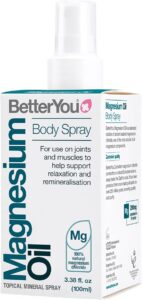
Click here for Magnesium spray
Click here for other Pukka Tea
Track Your Progress
Keep a simple sleep journal noting when you go to bed, when you wake up, and how rested you feel. After implementing these strategies for 2-3 weeks, patterns will emerge that help you identify what works best for your unique sleep needs.

The Bottom Line
Improving sleep quality naturally is a marathon, not a sprint. Start with 2-3 changes that resonate most with you, implement them consistently, and gradually add more strategies. Your body has an innate ability to sleep well—sometimes it just needs the right conditions and support.
Quality sleep isn’t a luxury; it’s a biological necessity. By creating the right environment, maintaining consistent habits, and supporting your body’s natural rhythms, you can transform your nights and wake up ready to thrive.
Disclosure: This post contains affiliate links. If you purchase through these links, I may earn a small commission at no extra cost to you. This helps support the blog and allows us to continue providing free fitness content. I only recommend products we believe offer genuine value.