
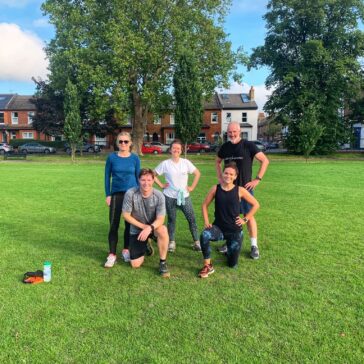



There’s something almost magical about the energy in a group fitness class. The collective breathing, the shared grimaces during that last rep, the high-fives at the end—it transforms what could be a solitary grind into something altogether different. And it turns out, this isn’t just feel-good thinking. Training with others and building community around your fitness journey offers profound benefits that extend far beyond what you can achieve alone.
Accountability That Actually Works
We’ve all been there: the alarm goes off at 6 AM, it’s raining outside, and that warm bed feels infinitely more appealing than the gym. When you’re training solo, it’s easy to negotiate with yourself, to promise you’ll go tomorrow instead. But when someone is expecting you? When your running buddy is waiting at the park or your workout group will notice your absence? That changes everything.
Community creates a web of gentle accountability. You’re not just letting yourself down—you’re letting down people who’ve shown up for you. This isn’t about guilt; it’s about mutual commitment. Studies have shown that people who exercise with others have better adherence to their fitness routines, and the reason is simple: we’re social creatures who thrive on connection and don’t want to disappoint those we care about.
Motivation That Feeds Itself
Energy is contagious. When you’re surrounded by people pushing themselves, trying new things, and celebrating small victories, it’s nearly impossible not to be swept up in that momentum. On days when your motivation is flagging, you can borrow energy from the group. And on days when you’re feeling strong, you become the inspiration for someone else.
This reciprocal motivation creates a positive feedback loop. Seeing someone your age, your fitness level, or with similar challenges achieving their goals makes your own seem more attainable. The runner who couldn’t finish a 5K last month but just completed one today shows you what’s possible. The person struggling through the same exercises you find difficult reminds you that everyone has their battles.
Learning and Growth Through Shared Knowledge
Every person you train with brings their own experiences, knowledge, and expertise. The yoga enthusiast might teach you about breathwork that helps with your lifting. The CrossFit devotee might introduce you to mobility exercises that ease your lower back pain. The marathon runner might share nutrition strategies you’d never considered.
This exchange of knowledge is invaluable. You’re essentially getting access to collective wisdom without having to learn everything through trial and error. Plus, training partners can spot things you can’t see yourself—your form on that squat, the way you favor one side, habits that might lead to injury.
Mental Health Benefits Beyond the Endorphins
While exercise alone is powerful for mental health, adding a social component amplifies these benefits significantly. Community combats loneliness and isolation, which are increasingly recognized as serious health concerns in modern society. Regular social interaction during exercise creates consistent touchpoints with others, building relationships that often extend beyond the gym or trail.
There’s also something deeply affirming about being part of a group working toward similar goals. It provides a sense of belonging and purpose. In fitness communities, people are accepted regardless of where they’re starting from. You’re celebrated for showing up, not for being the fastest or strongest. This inclusive environment can be transformative for self-esteem and mental wellbeing.
The Challenge Factor
Let’s be honest: training with others often means you push harder than you would alone. There’s a healthy competitive edge that emerges when you’re working out alongside others. You might hold that plank for five more seconds, add an extra rep, or run a bit faster because someone else is there doing the same.
This isn’t about unhealthy comparison or keeping up with others at the expense of your wellbeing. It’s about the natural human tendency to rise to the occasion when in a group setting. You discover capabilities you didn’t know you had because you’re inspired to try things you might have talked yourself out of when alone.
Celebration and Shared Success
Fitness journeys come with ups and downs, plateaus and breakthroughs. When you’re part of a community, you have people who genuinely understand the significance of your achievements. They know what it took for you to finally do that pull-up, complete that race, or stick with your routine for three months straight.
This shared celebration is nourishing in a way that posting on social media or telling non-exercising friends never quite captures. Your fitness community gets it because they’re in the trenches too. And equally important, they’re there during setbacks—when you’re injured, when progress stalls, when motivation disappears. That support system helps you navigate the inevitable challenges without giving up entirely.
Building Something Beyond Fitness
Perhaps the most beautiful aspect of training communities is how they transcend their original purpose. Fitness becomes the catalyst for genuine friendships. The people you sweat with become the people you share life with. You meet for coffee after class, support each other through personal challenges, celebrate birthdays and milestones.
These relationships add richness to life that extends far beyond physical health. You’re building a network of people who share your values around wellbeing, who understand the importance of taking care of yourself, and who will cheer you on not just in fitness but in life.
Getting Started
If you’ve been training solo, exploring community fitness doesn’t mean abandoning your independent practice. It might mean joining a weekly running group, trying a class at your gym, finding a workout buddy, or participating in an online fitness community. Start small and see what resonates.
The right community should feel welcoming, not intimidating. You should feel encouraged to work at your own level while being gently challenged to grow. Pay attention to how you feel after interacting with the group—do you leave energized and inspired, or drained and inadequate?
In the end, while fitness is ultimately a personal journey, it doesn’t have to be a lonely one. Training with others transforms exercise from a task you check off your list into an experience that nourishes your body, mind, and soul. The weights you lift and miles you run are important, but the connections you build along the way might just be the most valuable benefit of all.