



We all know walking is good for us. It strengthens our heart, clears our mind, and costs absolutely nothing. Yet many of us struggle to fit enough movement into our busy schedules. The good news? You don’t need to carve out an extra hour in your day or commit to a rigid exercise routine. With a few strategic tweaks to your daily habits, you can significantly increase your step count without it feeling like a chore.
Rethink Your Commute
Your journey to and from work offers untapped opportunities for movement. If you drive, try parking at the far end of the car park rather than circling for the closest spot. Those extra few minutes of walking add up over time. If you take public transport, consider getting off a stop early and walking the rest of the way. Not only will you clock more steps, but you’ll also arrive at your destination feeling more energized and alert.
For those who work from home, the commute hack still applies. Create a “fake commute” by taking a 10-minute walk around your neighborhood before you start work and another when you finish. This ritual helps establish boundaries between work and personal time while ensuring you don’t miss out on the incidental movement that traditional commuters naturally get.
Make Meetings Mobile
The next time you have a phone call or one-on-one meeting, suggest taking it on the move. Walking meetings can actually enhance creativity and problem-solving, and they’re far more enjoyable than sitting in a stuffy conference room. If you’re working remotely and have a call that doesn’t require you to be on camera, pop in your earbuds and take it outside.
Even when you’re not in meetings, use phone calls with friends and family as walking opportunities. That catch-up with your sister or chat with a friend becomes a chance to move your body while staying connected.
Transform Your Lunch Break
Instead of eating at your desk or scrolling through your phone in the break room, use part of your lunch hour to walk. Even a brisk 15-minute walk can help reset your mind, improve your afternoon productivity, and contribute meaningfully to your daily step goal. If weather or location makes outdoor walking difficult, find indoor alternatives like walking the corridors of your office building or visiting a nearby shopping center.
Pack your lunch the night before so you can eat quickly, leaving more time for movement. Or better yet, walk to a café or restaurant slightly further from your workplace to pick up your meal.
Embrace the Scenic Route
Efficiency isn’t always the answer when it comes to health. Throughout your day, actively choose the longer route. Take the stairs instead of the lift, even if it’s just for one or two floors. Walk to a colleague’s desk rather than sending an email. Pop to the shops on foot instead of driving for those quick errands.
These small decisions might add mere minutes to your tasks, but they accumulate into substantial movement over the course of a week. What feels like a minor inconvenience in the moment becomes a powerful habit that serves your long-term wellbeing.
Create Walking Rituals
Attach walking to existing habits to make it automatic. Perhaps you walk after dinner each evening, enjoying the transition from day to night. Or maybe you take a morning walk with your coffee, using the time to plan your day or simply enjoy some solitude before the household wakes up.
Walking your children to school rather than driving, taking the dog out yourself instead of leaving it to another family member, or walking to the local shops on Saturday mornings can all become cherished rituals that benefit both your physical and mental health.
Use Technology Strategically
While we often think of technology as keeping us sedentary, it can also motivate movement. Set hourly reminders on your phone to stand up and take a brief walk around your space. Use a fitness tracker or smartphone app to monitor your steps and set daily goals. Many people find that seeing their progress motivates them to squeeze in extra walks to hit their targets.
Some apps even gamify walking with challenges, virtual races, or the ability to compete with friends. If a bit of friendly competition motivates you, these tools can transform walking from a should-do into a want-to-do.
Make Walking Social
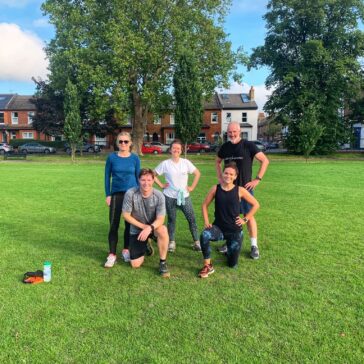
Exercise feels less like a task when you’re enjoying good company. Organize walking dates with friends instead of meeting for coffee (or walk to get that coffee together). Join a local walking group or start your own with neighbors or colleagues. Having a walking buddy creates accountability and makes the time pass more quickly.
Family walks can also become quality time that everyone looks forward to, whether it’s an after-dinner stroll or a weekend hike that’s become a beloved tradition.
The Bottom Line
Increasing your daily walking doesn’t require dramatic lifestyle changes or expensive gym memberships. It simply asks you to view movement as something to weave throughout your day rather than an isolated activity you must find time for. Each extra five minutes of walking matters. Each flight of stairs counts. Every choice to move rather than remain still is an investment in your health.
Start with one or two strategies that feel most achievable for your lifestyle, then gradually build from there. Before long, walking more will feel like second nature, and you’ll likely find yourself naturally seeking out opportunities to move. Your body and mind will thank you for it.
