
Cold water swimming has surged in popularity, with enthusiasts praising its physical and mental health benefits. But the exhilarating plunge is only half the experience. What happens after you exit the water is just as crucial for your safety, comfort, and long-term enjoyment of this invigorating practice.
The post-swim warm-up isn’t just about comfort—it’s about preventing afterdrop, a potentially dangerous phenomenon where your core temperature continues to fall even after leaving the water. Here’s your complete guide to warming up safely and effectively after cold water immersion.
Understanding the Afterdrop
When you’re in cold water, your body restricts blood flow to your extremities to protect your vital organs. Once you exit, that cold blood from your limbs rushes back to your core, causing your internal temperature to drop further. This afterdrop can occur 10 to 40 minutes after you leave the water and is why proper rewarming technique matters so much.
The Golden Rules of Rewarming
Before we dive into gear recommendations, let’s establish the foundational principles:
Get dry immediately. Water conducts heat away from your body 25 times faster than air. The moment you exit, remove wet swimwear and towel off thoroughly.
Layer up from the extremities. Your head, hands, and feet lose heat rapidly. Cover these first before worrying about your core.
Avoid hot showers initially. While tempting, hot water causes blood vessels to dilate rapidly, accelerating the afterdrop. Save the hot shower for later.
Keep moving gently. Light movement helps circulate warm blood, but avoid vigorous exercise which can also trigger afterdrop.
Consume warm fluids and food. Internal warming is highly effective and provides the calories your body needs to generate heat.
Essential Gear for Post-Swim Warming
1. Thermal Hat or Beanie
Your head accounts for significant heat loss—up to 10% of your body heat in cold conditions. A thermal hat should be your first layer.
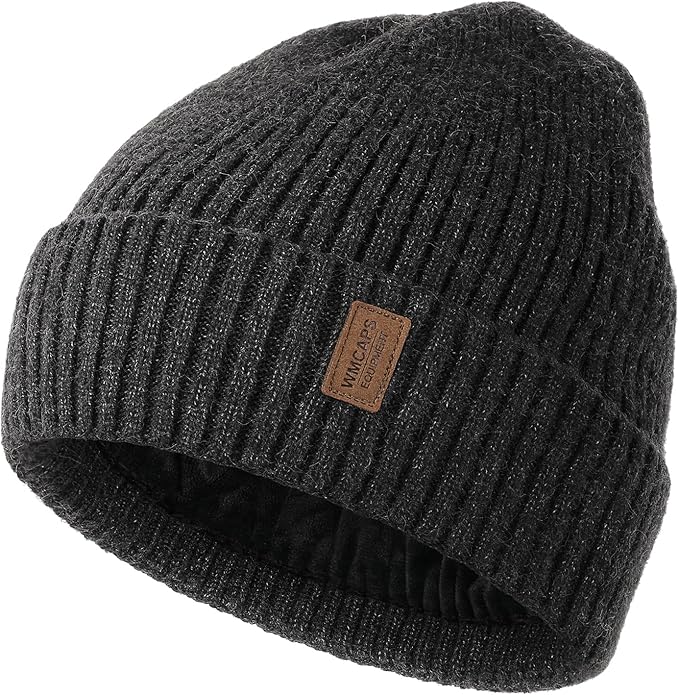
Click here for Merino wool or fleece-lined thermal beanie from Amazon
Look for materials like merino wool or synthetic fleece that retain warmth even when damp. A hat with ear coverage provides extra protection. Keep it accessible in your swim bag so you can pull it on with cold, fumbling fingers.
2. Technical Base Layer
A quality base layer is non-negotiable. This garment sits against your skin and manages moisture while trapping warm air.
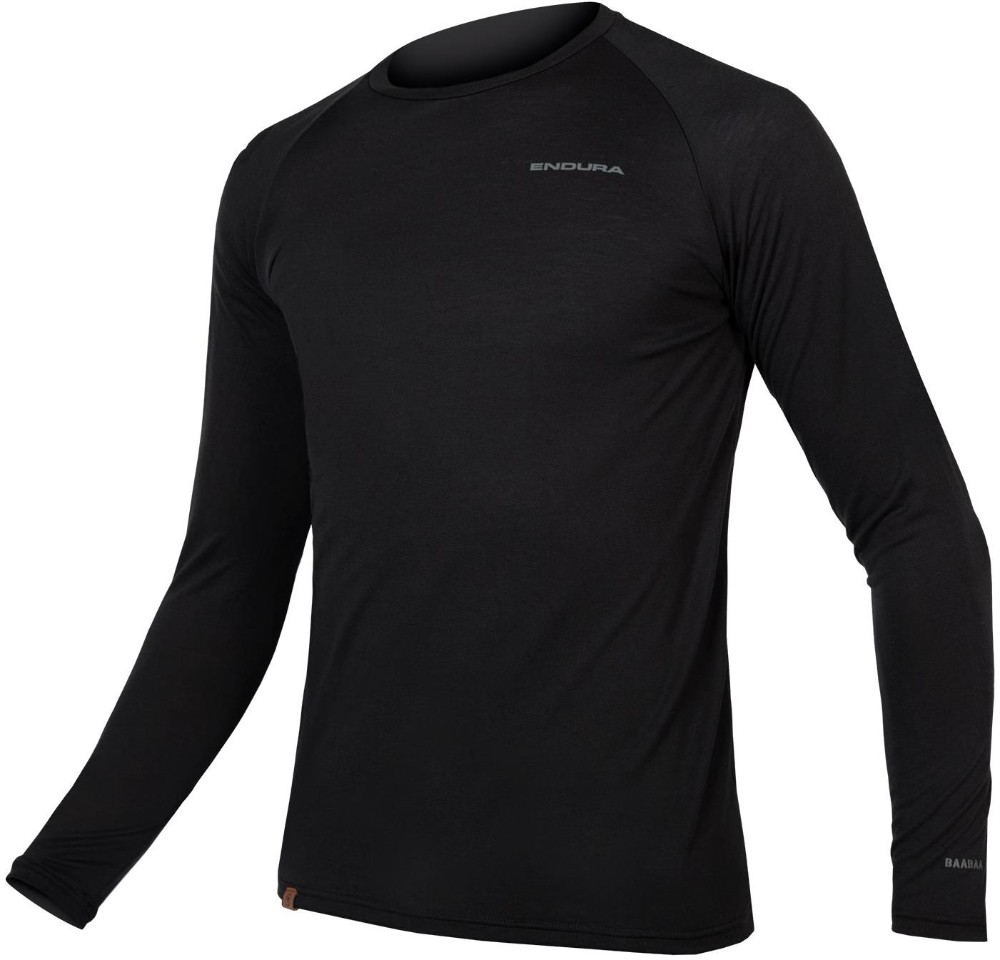
Choose merino wool for natural temperature regulation and odor resistance, or synthetic materials like polyester or polypropylene for faster drying. Avoid cotton, which retains moisture and will leave you shivering. A long-sleeve top with a high neck provides maximum coverage. Some swimmers prefer a full base layer set including leggings, especially in colder months.
Click here for Endura BaBaa Baselayer via Tredz
3. Thermal Socks
Your feet are particularly vulnerable to heat loss and can take the longest to rewarm. Thick, insulating socks are essential.
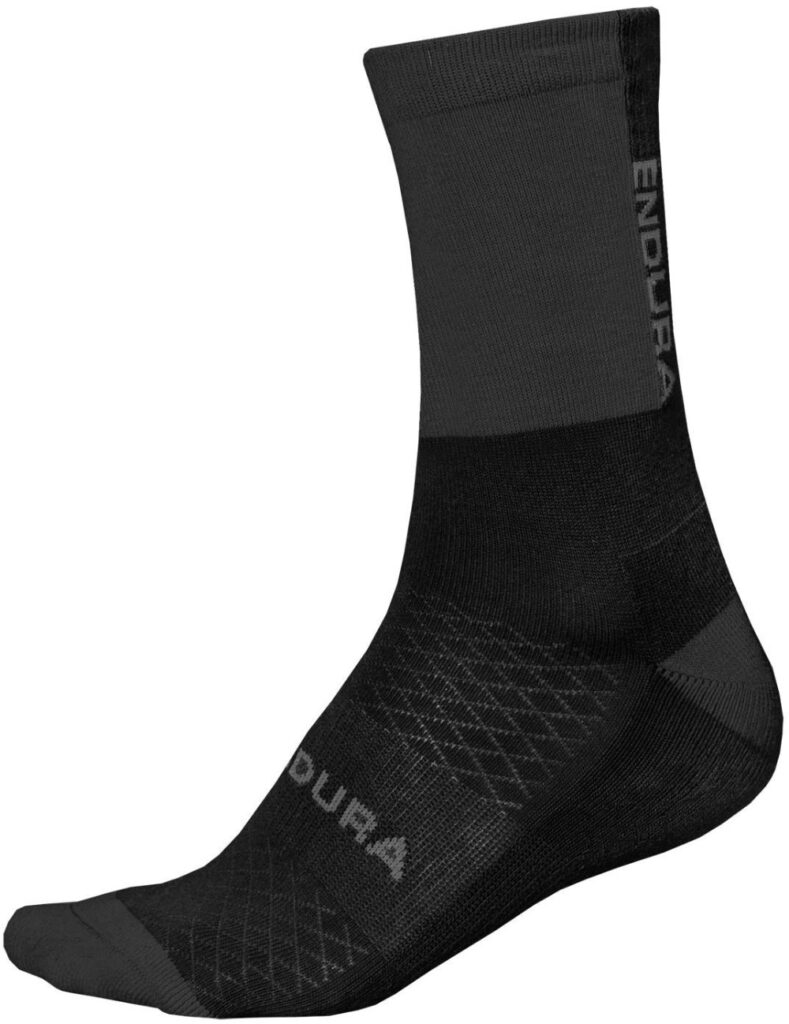
Click here for Merino Socks from Endura
Look for cushioned thermal socks designed for winter hiking or skiing. Merino wool blends offer excellent insulation and moisture management. Some swimmers swear by neoprene socks for immediate post-swim use, as they provide insulation even while you’re still slightly damp.
4. Insulated Flask for Hot Drinks
Internal warming is one of the most effective rewarming strategies. A quality insulated flask keeps drinks hot for hours. The retro Stanley flasks are very funky!
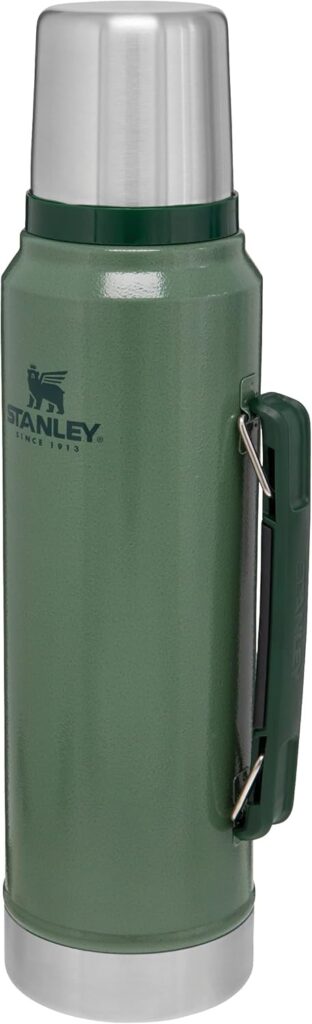
Click here for Stanley Classic Thermal Flask from Amazon
Choose a wide-mouth flask that’s easy to pour from with cold hands. Stainless steel vacuum-insulated models keep drinks hot for 6-12 hours. Fill it with warm (not scalding) sweet tea, hot chocolate, or soup. The sugar provides quick energy while the warmth heats you from the inside out.
5. Changing Robe or Dry Robe
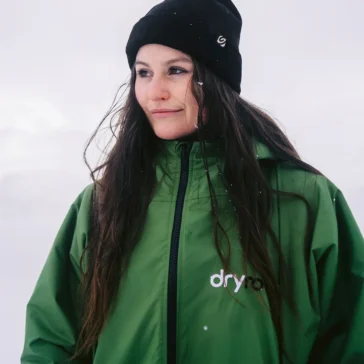
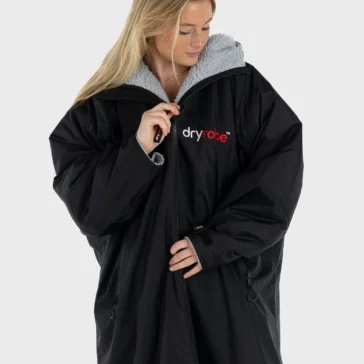
This has become the signature item of the cold water swimming community, and for good reason. Dryrobe are the original and one of the best on the market.
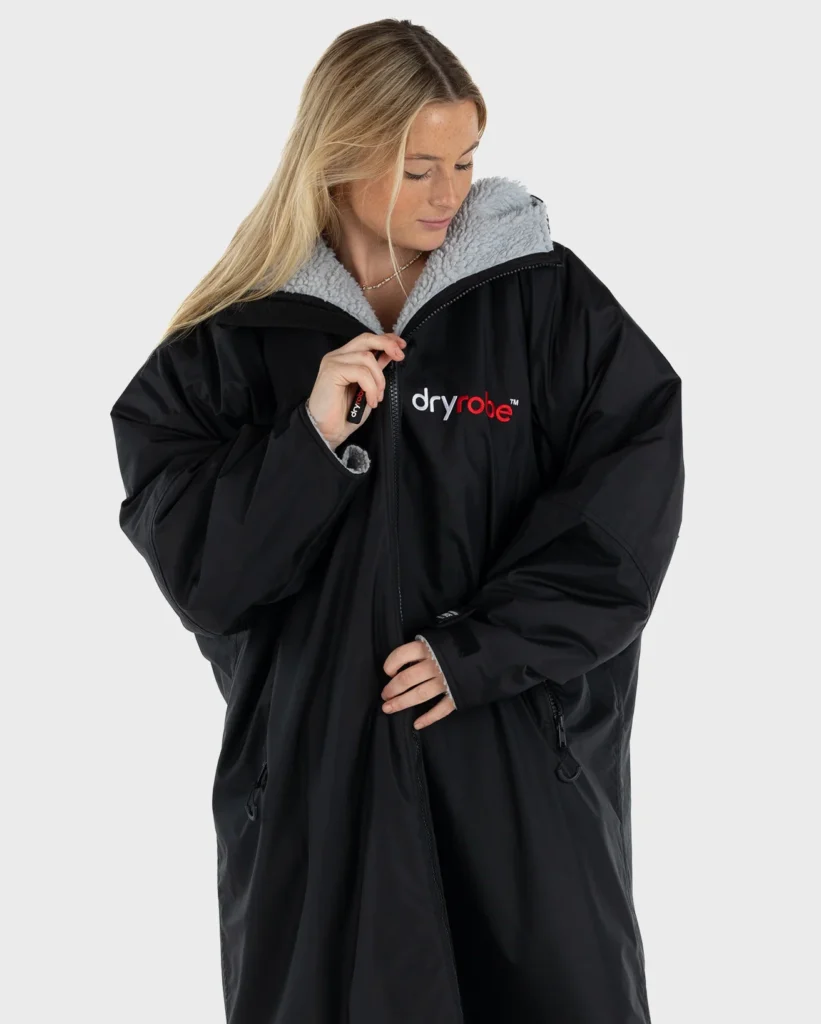
Click here for Waterproof changing robe with fleece lining from Dryrobe
A changing robe provides privacy for changing, protection from wind, and substantial insulation. Look for waterproof outer fabric, thick fleece or synthetic insulation inside, and a design that covers you from neck to knees. The oversized fit allows you to change underneath while staying covered.
6. Insulated Gloves or Mittens
Your fingers lose dexterity quickly in the cold, and numb hands make everything harder.
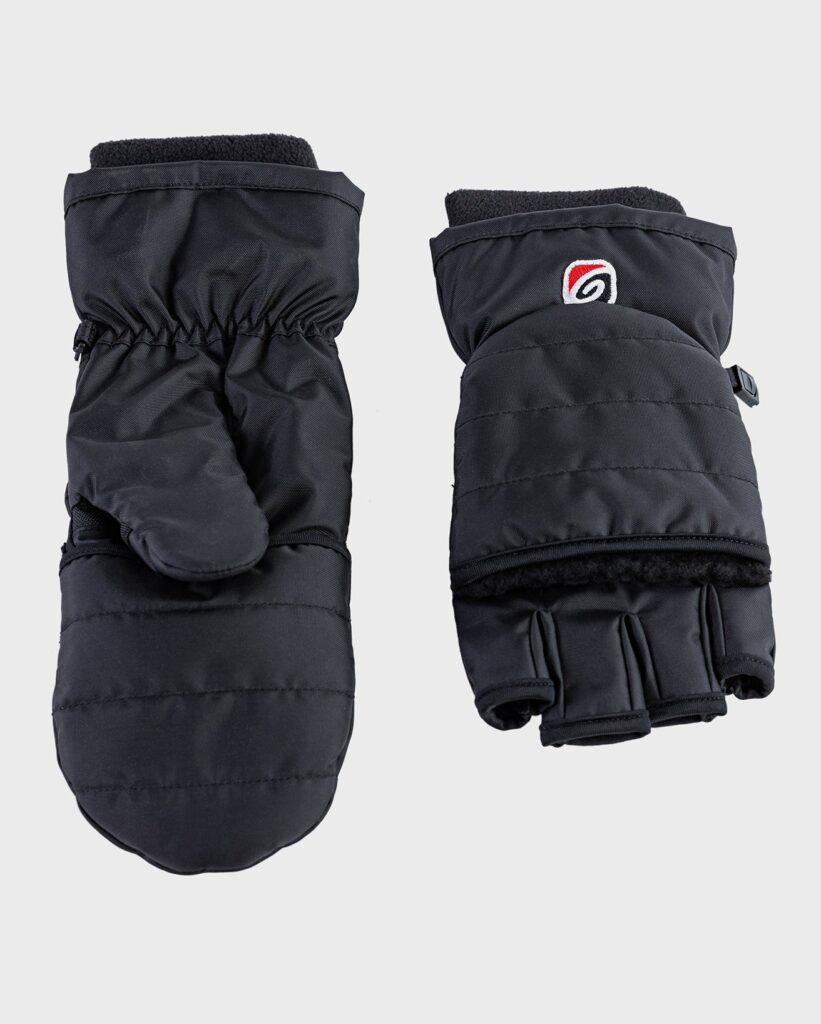
Click here to buy Insulated Mittens from Dryrobe
Mittens retain heat better than gloves, but gloves offer more dexterity for tasks like zipping jackets or opening flasks. Consider keeping a pair of each in your bag. Down-filled or synthetic insulated options work well. The clever ones linked above from Dryrobe have Fold-back magnetic mitten and thumb flaps mean you can easily swap warmth for dexterity when needed.
7. Waterproof Seat Cover or Thermal Blanket
Protecting yourself from cold surfaces helps prevent heat loss while you rest and rewarm.
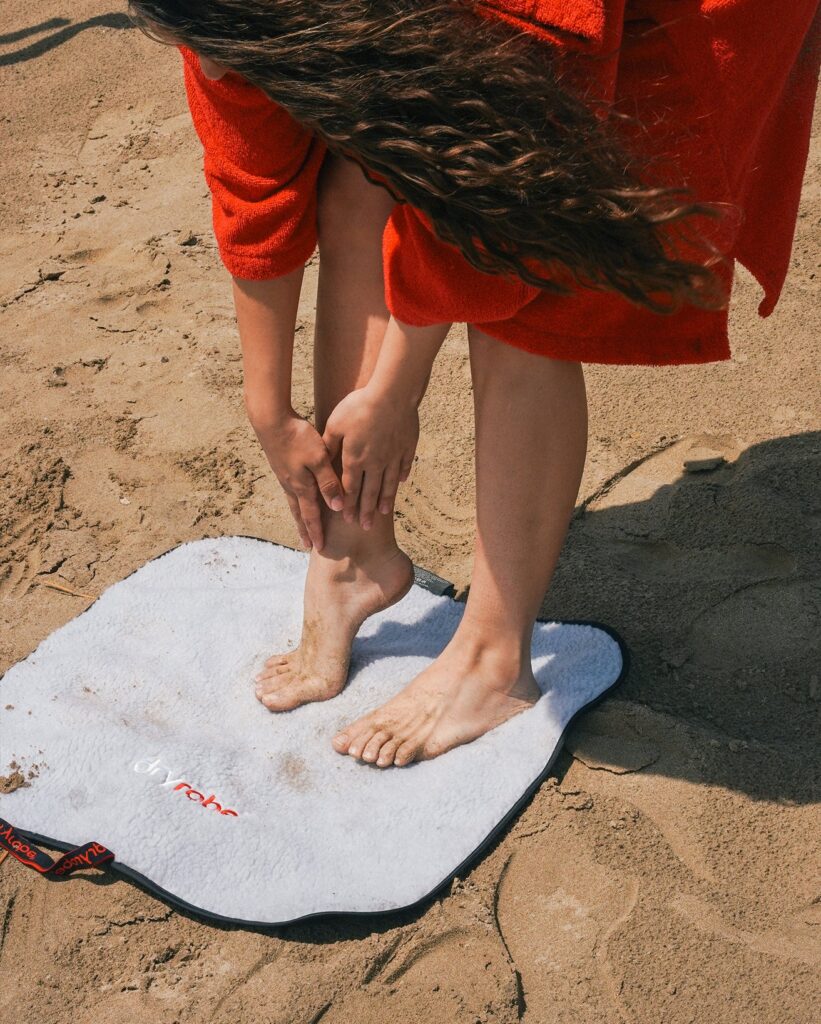
Click here for super-warm unique fleece changing mat from Dryrobe
A waterproof mat gives you a clean, dry place to stand while changing. An emergency thermal blanket (the reflective silver kind) can be wrapped around you over your layers for additional heat retention while you sit in your car or a sheltered spot.
8. Quick-Dry Towel
A large, absorbent towel is essential for removing water from your skin quickly.

Click here for Microfiber and beach towels from Dryrobe
Microfiber towels absorb water quickly and wring out easily. Choose an oversized option so you can wrap it around yourself while changing. Some swimmers prefer traditional cotton for comfort, but microfiber is more practical for packing and repeat use.
9. Hot Water Bottle
Sometimes the simple things are the best and bring the most comfort. A hot water bottle is one of those things.
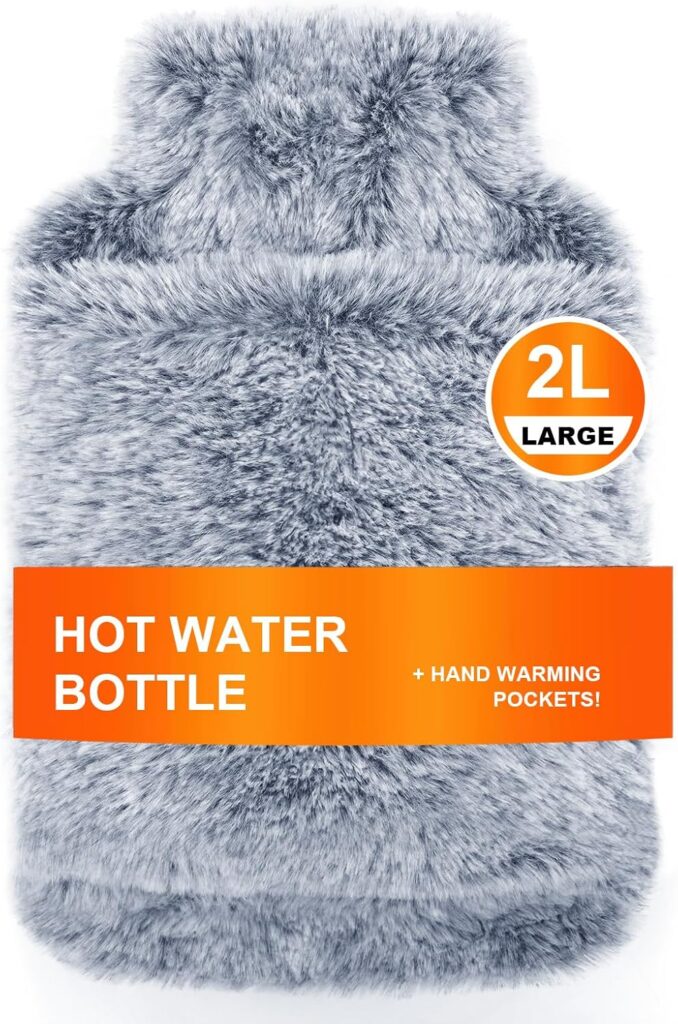
Click here for Hot Water Bottle from Amazon
Your Post-Swim Routine
Now that you have the gear, here’s how to use it effectively:
Immediately upon exit: Remove your wet swimwear and dry off thoroughly with your towel, paying special attention to your head and torso.
Layer up in order: Put on your thermal hat, base layer, thermal socks, and changing robe. Add gloves if your hands are particularly cold.
Find shelter: Move to a wind-protected area. Your car, a beach hut, or even behind a windbreak will do.
Sit or stand on your mat: Avoid cold ground or benches that will conduct heat away from your body.
Sip warm drinks slowly: Small sips of your hot beverage help warm you from inside without overwhelming your system.
Gentle movement: Do some arm circles, gentle walking, or light stretching to encourage circulation, but don’t overdo it.
Add layers gradually: As you start to feel warmer, add a mid-layer fleece or jacket and additional pants if needed.
Monitor yourself: It can take 30 minutes or more to fully rewarm. Don’t rush to remove layers or drive until you’re confident you’re warm and alert.
Additional Tips for Safe Rewarming
Swim with others. Having someone to help you or monitor your condition is invaluable, especially as you get colder and your judgment may be impaired.
Prepare everything in advance. Lay out your warming gear before you swim so it’s ready the moment you exit. Cold hands struggle with zippers and buttons.
Know your limits. The colder the water or the longer your immersion, the more dramatic your afterdrop will be. Start conservatively and build up your tolerance gradually.
Carry emergency supplies. Keep an extra base layer, emergency blanket, and sugary snacks in your car for unexpected situations.
Learn the warning signs. Violent shivering, confusion, loss of coordination, or difficulty speaking indicate you need to rewarm immediately and may need assistance.
The Bottom Line
Cold water swimming offers remarkable benefits for physical fitness, mental health, and overall wellbeing, but it demands respect and proper preparation. The gear and techniques outlined here aren’t luxuries—they’re essential tools for enjoying this practice safely and sustainably.
Invest in quality warming equipment, establish a consistent post-swim routine, and never underestimate the power of the afterdrop. With the right approach, you’ll find yourself looking forward to that post-swim warmth almost as much as the cold plunge itself.
Stay safe, stay warm, and enjoy the incredible journey that cold water swimming offers.
Remember: This guide is for informational purposes only. Always consult with a healthcare provider before beginning cold water swimming, especially if you have any cardiovascular conditions or health concerns.
Disclosure: This post contains affiliate links to products I recommend for cold water swimming. If you purchase through these links, I may earn a small commission at no additional cost to you. Your purchases help keep this blog running (pun intended), and I genuinely appreciate your support!