


The evenings close in faster than we realize. One moment it’s light until 8 PM, and suddenly you’re lacing up in darkness by 5:30. For many runners, nighttime training isn’t optional—it’s the only window that fits between work, family, and life’s other demands.
Running after dark brings unique challenges: reduced visibility, quieter streets, and the heightened need for awareness. But with the right precautions and gear, night running can be safe, enjoyable, and even empowering. Here’s your complete guide to staying safe and visible on evening runs.
Share Your Route (Every Single Time)
This is the simplest safety measure, yet it’s easy to skip. Before you head out, tell someone—your partner, housemate, or a friend—where you’re running and when you expect to return.
Make it specific: “I’m doing a 5K loop through Central Park, should be back by 7:30” is far more useful than “Going for a run.”
Modern technology makes this even easier. Apps like Strava Beacon or Life360 allow trusted contacts to track your location in real-time. Many GPS running watches also have incident detection and live tracking features that automatically alert emergency contacts if something goes wrong.
Choose Your Route Strategically
Not all running routes are created equal after dark. When planning your evening run, prioritize safety over scenery.
Stick to well-lit areas: Main roads with streetlights, residential neighborhoods with consistent lighting, and popular running paths are your safest bets. Save that scenic trail through the park for daylight hours.
Look for “busy enough” routes: You want areas with some activity—passing cars, other runners, dog walkers—but not deserted streets. Think Goldilocks zone.
Avoid isolated areas: Narrow alleyways, unlit paths, areas with limited exits, and routes that force you into vulnerable positions should be avoided. If you’re running in rural areas without pavements, consider shifting your training to daylight hours or finding an alternative location.
Mix it up: Varying your route and timing makes you less predictable, which adds an extra layer of personal security.
Visibility Gear: Your Most Important Investment
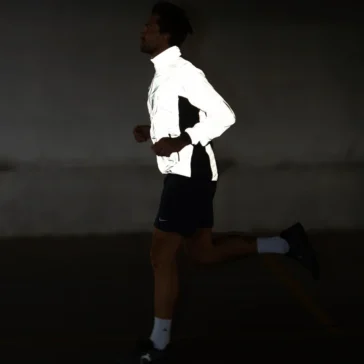
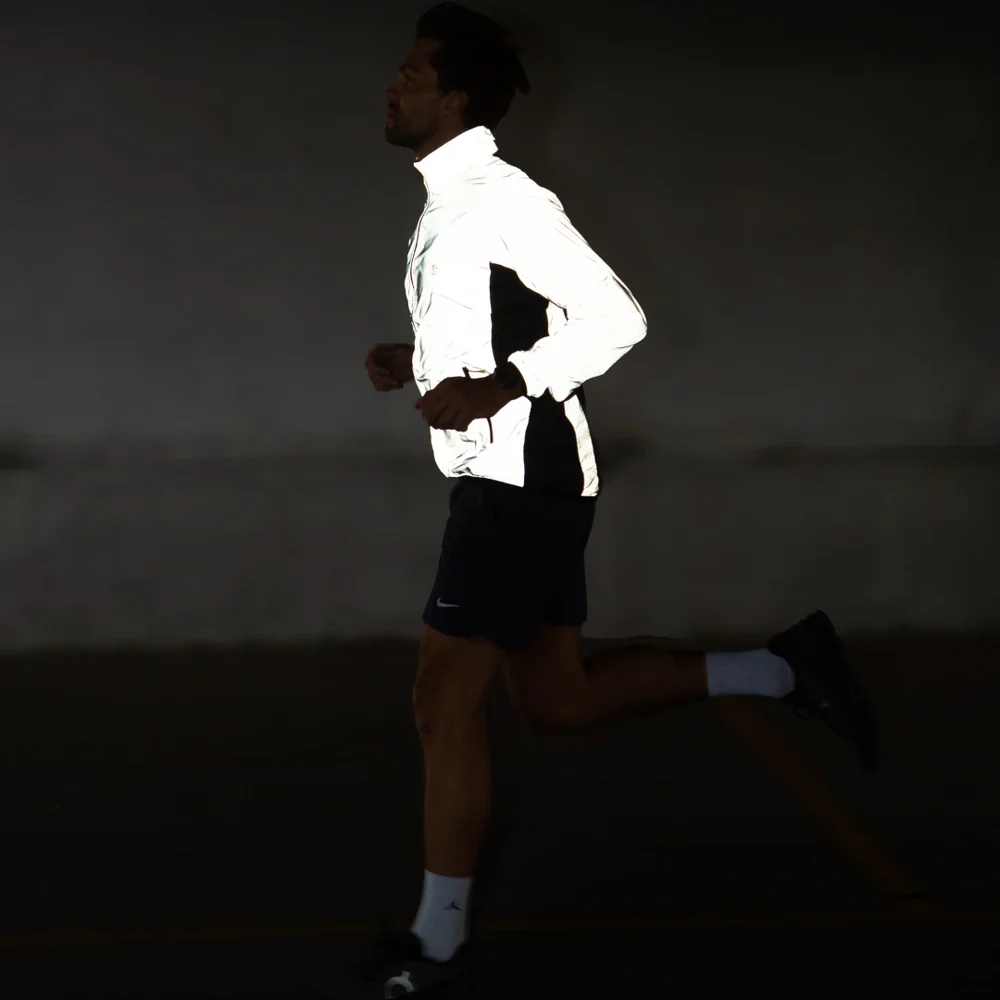
Here’s the truth: black running kit may look sleek, but to drivers, you’re essentially invisible. High-visibility gear isn’t about fashion—it’s about survival.
Reflective clothing is non-negotiable: Modern running apparel incorporates reflective elements that light up dramatically in headlights. Look for jackets, vests, tops, and tights with 360-degree reflectivity.
Click HERE for Men’s Reflective Running Jackets
Click HERE for Women’s Reflective Running Jackets
Click HERE for Reflective Running Vests/Gilets
Brands like Proviz offer Reflect 360 jackets that transform you into a beacon of light when car headlights hit them. The difference is staggering—drivers spot you from hundreds of meters away, giving them ample time to slow down and give you space.
Layer your visibility: Don’t rely on just one reflective item. Combine a reflective jacket with:
- Reflective armbands/ankle bands LINK – Ankle bands that catch light at ground level
- LED clip-on lights LINK – LED clip-on lights (red for your back, white for your front)
- Reflective running caps/headbands LINK- Reflective headwear or hats
Don’t forget your extremities: Reflective gloves and shoe clips ensure you’re visible from every angle.
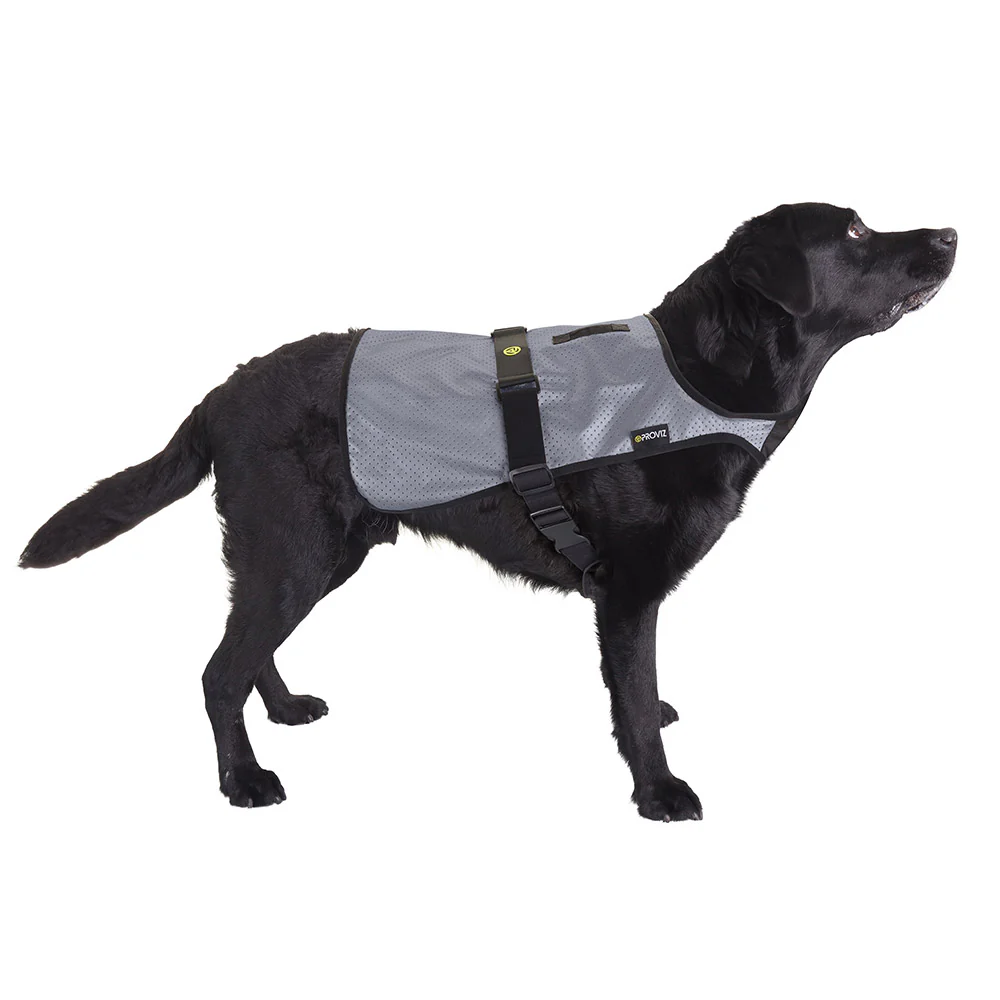
If you run with your dog, invest in a reflective harness, collar, or LED light attachment. They deserve to be seen too.
Click HERE for High-vis gear for dogs
Light Your Way Forward
While reflective gear makes you visible to others, you also need to see where you’re going—uneven pavements, potholes, and obstacles don’t announce themselves.
Running headlamps
A quality running headlamp is essential. Look for models with:
- At least 200 lumens for urban running (400+ for trails)
- Multiple brightness settings to conserve battery
- Comfortable, bounce-free fit
- Tiltable beam angle
- Red rear light for 360-degree visibility
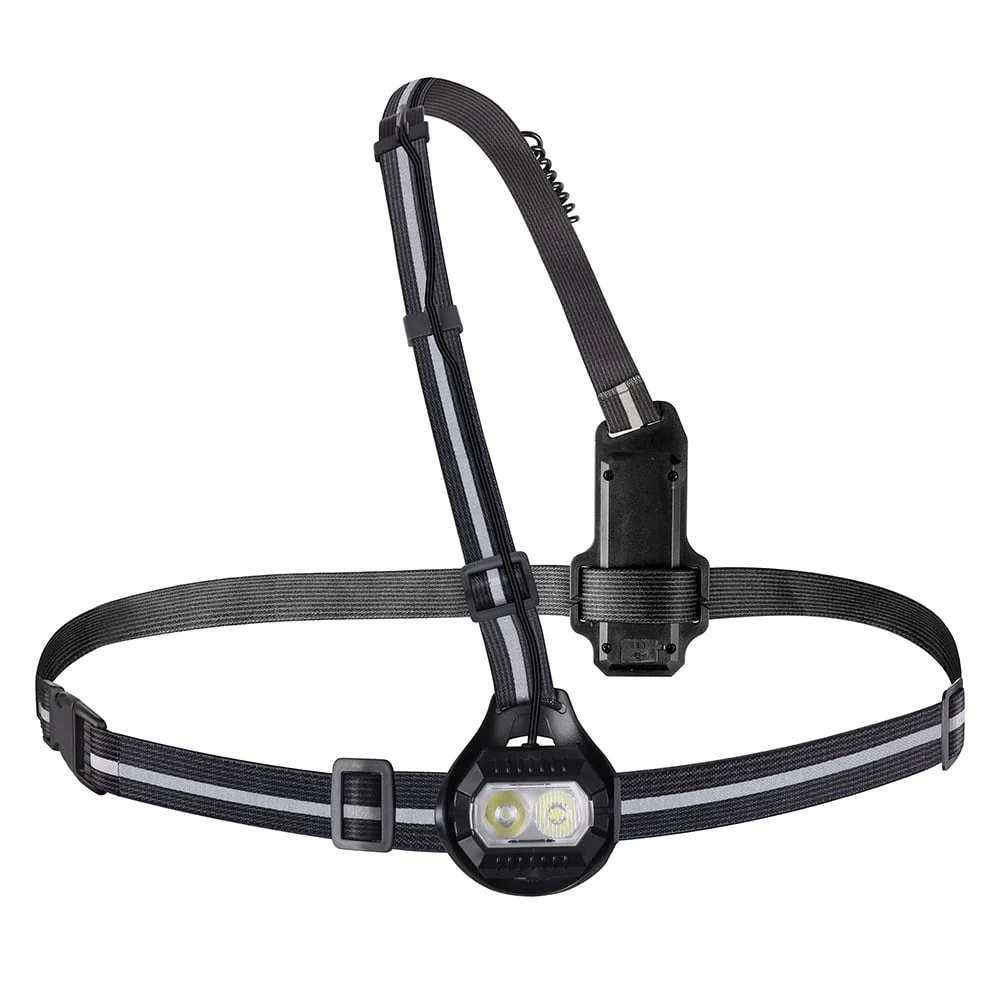
Click HERE for Chest-mounted running lights
Some runners prefer chest-mounted lights or waist-mounted options that provide a more natural lighting angle and reduce shadows.
Keep Your Phone Charged and Accessible
Your phone is your lifeline in emergencies. Before heading out, ensure it’s fully charged and easily accessible.
Enable tracking features:
- iPhone users can use Find My to share their real-time location with trusted contacts
- Strava Beacon (available with Strava subscription) broadcasts your live location to chosen friends and family
- Garmin, Apple Watch, and other GPS watches offer similar live tracking and incident detection
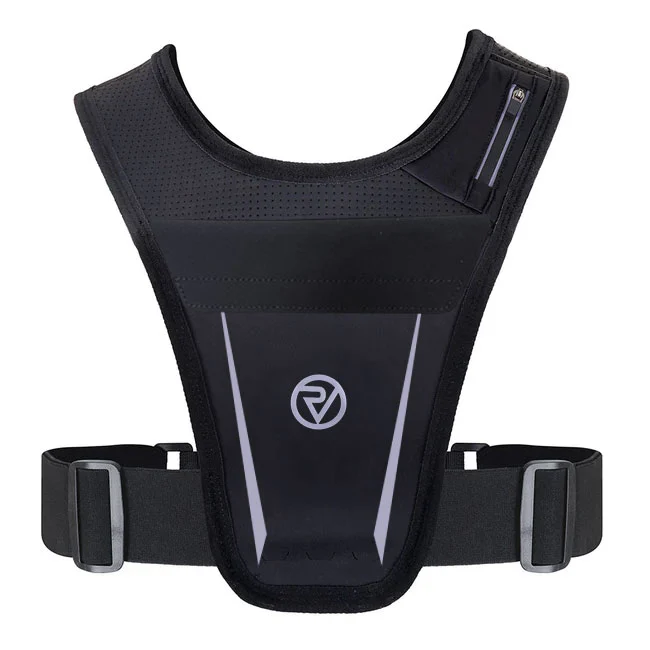
Click HERE for Running phone holders/armbands
Invest in a secure, comfortable phone holder—an armband, waist belt, or running vest pocket—that keeps your device protected but accessible.
Download offline maps: If you’re running in areas with spotty cell coverage, having offline maps could be crucial if you get disoriented.
The Headphones Debate
I know—music and podcasts make the miles fly by. But running at night requires maximum awareness of your surroundings. That means hearing approaching vehicles, footsteps, cyclists, and potential hazards.
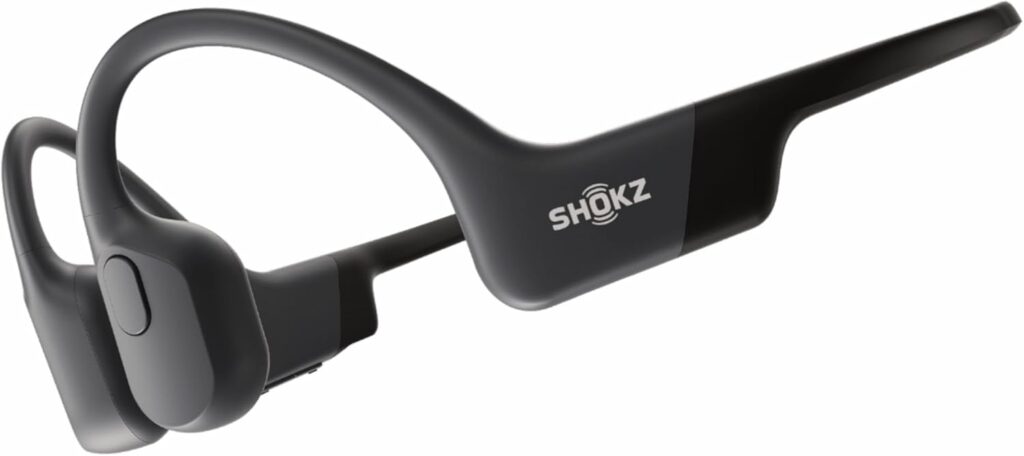
The safest option: Skip the headphones entirely on dark runs.
If you must listen to something: Consider these compromises:
- Bone conduction headphones LINK- Bone conduction headphones (like AfterShokz/Shokz) that sit outside your ears, allowing ambient sound through
- One earbud only, keeping one ear completely free
- Very low volume that doesn’t mask environmental sounds
Your awareness is a safety tool. Don’t compromise it.
Carry the Essentials
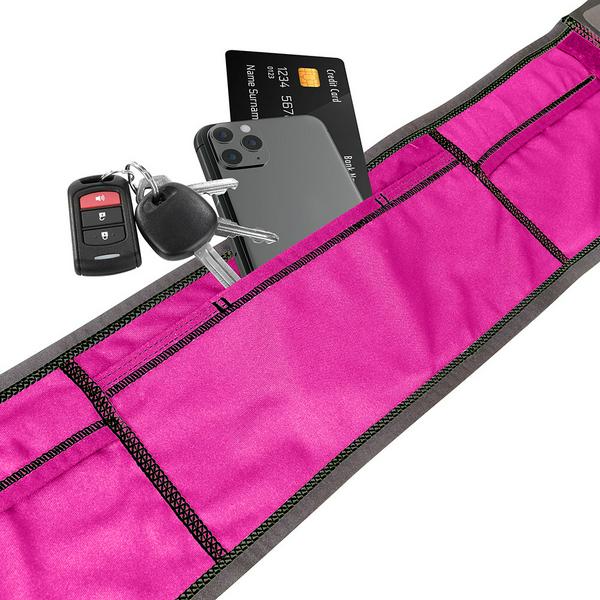
Click HERE for Running belts/vests for storage
A lightweight running belt or vest allows you to carry:
- ID or Road ID bracelet with emergency contact info
- Bank card or transit card in case you need to cut your run short and get home via public transport
- Small amount of cash for true emergencies
- Pepper spray or personal alarm (where legal) for added security
Consider a Road ID: These bracelets or shoe tags display your name, emergency contacts, and critical medical information—invaluable if you’re unable to communicate during an incident.
Run with a Buddy (Human or Canine)
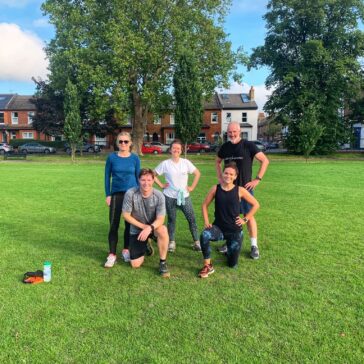
There’s safety in numbers. If possible, recruit a running partner from your household or running community.
Training together benefits both of you:
- Shared motivation on dark, cold evenings
- Immediate help if either person gets injured
- Deterrent effect for anyone with bad intentions
- More enjoyable conversation miles
No human partner? A dog makes an excellent running companion and provides an extra layer of security. Just ensure they’re properly trained, fit for distance running, and visible with their own reflective gear. Leashes, harnesses and lights.
Click HERE for Dog Reflective Gear
Trust Your Instincts
If something feels off—a poorly lit area, a person making you uncomfortable, an unfamiliar sound—trust that feeling. It’s okay to:
- Change your route mid-run
- Turn around and head home
- Run toward busier, well-lit areas
- Call someone and stay on the phone until you feel safe
Your safety is more important than completing your planned distance.
Consider Time-of-Day Alternatives
Not every run needs to happen after dark. When possible:
- Grab lunchtime runs if your work schedule allows
- Morning runs during lighter months
- Save longer runs for weekends when you have daylight
- Use a treadmill for interval workouts or when conditions are particularly unsafe
There’s no shame in adjusting your training schedule around safety.
Additional Night Running Tips
Run facing traffic: On roads without pavements, always run toward oncoming traffic so you can see vehicles approaching and react accordingly.
Make eye contact with drivers: Don’t assume they’ve seen you. Make eye contact at intersections and crossings.
Be extra cautious at junctions: Most collisions happen at intersections. Slow down, look both ways, and never assume a driver will stop.
Weather awareness: Rain, fog, and snow dramatically reduce visibility—for you and for drivers. In poor weather, double your visibility gear or consider moving your run indoors.
Battery management: Cold weather drains phone and headlamp batteries faster. Keep your phone close to your body for warmth, and carry backup batteries for lights on longer runs.
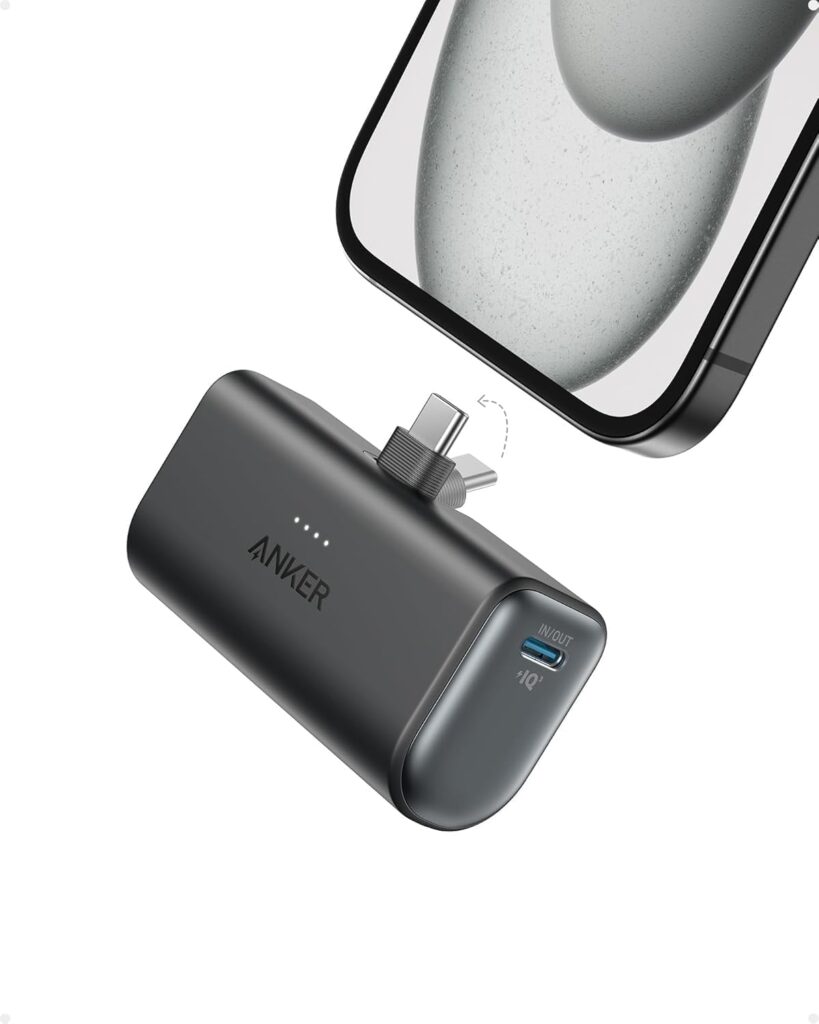
Click HERE for Portable phone chargers/power banks
The Bottom Line
Night running doesn’t have to mean choosing between your training and your safety. With the right gear, smart route planning, and heightened awareness, you can confidently log those evening miles.
Yes, high-visibility gear might feel like overkill until a driver brakes early because they spotted you from 200 meters away. That reflective jacket might seem excessive until you’re running along a dimly lit road and realize you’re clearly visible. These precautions aren’t paranoid—they’re practical.
The darkness shouldn’t stop you from running. It should just make you run smarter.
Disclosure: This post contains affiliate links to products I recommend for night running safety. If you purchase through these links, I may earn a small commission at no additional cost to you. I only recommend products that enhance safety and visibility for nighttime runners. Your purchases help keep this blog running (pun intended), and I genuinely appreciate your support!