When you first see cyclists whizzing past in head-to-toe lycra on carbon-framed bikes that cost as much as a small car, road cycling can feel intimidating. Unlike running, where a decent pair of trainers gets you started, cycling seems to demand serious investment in kit and technology.
But here’s the truth: you don’t need to break the bank to start cycling.
This guide breaks down what you actually need to get out on the road, without the marketing hype or unnecessary extras. I’m focusing on road biking and commuting here (mountain biking is still on my bucket list!).
Finding Your First Bike (Without Spending a Fortune)
Yes, you need a bike—but no, it doesn’t need to cost thousands. Here’s how to find quality wheels on a budget:
Budget-Friendly Options:
– Decathlon’s Van Rysel starts around £800 and offers excellent value for beginners. There are some fantastic reviews for these bikes.
– Boardman Bikes at Halfords consistently receive positive reviews and feature high-level technology for under £xxx
Timing Your Purchase:
New season bikes launch in September, which means previous year’s models get discounted by 20-25%. Shopping between September and November can save you serious money.
The Cycle to Work Scheme:
This government-backed initiative saves you at least 25% on bikes and accessories through salary sacrifice. Check if your employer participates—it’s one of the best deals available for new cyclists.
The Kit: Separating Essential from Excessive
Once you start researching cycling gear, you’ll discover an endless rabbit hole of products promising to make you faster, stronger, and more aerodynamic. Trust me, the temptation is real.
Since getting my new bike, I’ve already upgraded to clip-in pedals (which meant buying special shoes), invested in a proper cycling jersey with rear pockets, and accumulated more tools than I care to admit. But here’s what I learned: I rode happily for years with minimal gear.
Let me save you from overspending with this essentials-only list.
What to Wear
Helmet
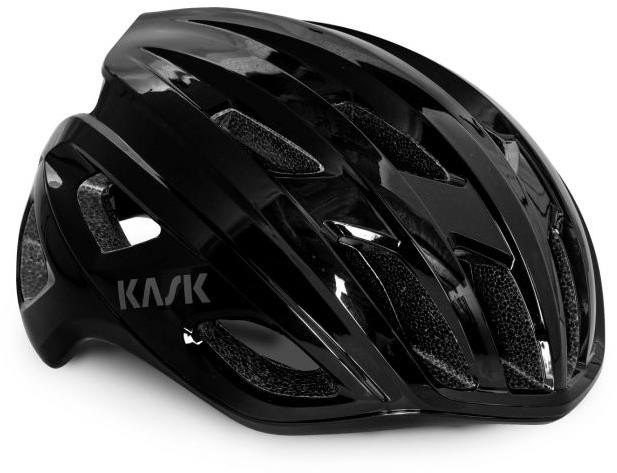
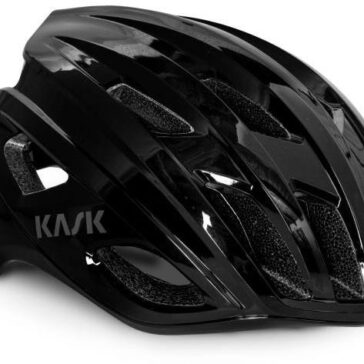
This is non-negotiable—always buy new, never second-hand (you can’t verify its crash history). Try helmets on in-store for proper fit. Expect to spend £20-£120. Look for adjustable models that accommodate a thin winter hat underneath for year-round use. I currently have a Kask Mojito with is comfortable, light weight and adjustable.
Click here for to buy Kask Mojito helmet from Tredz
Upper Body
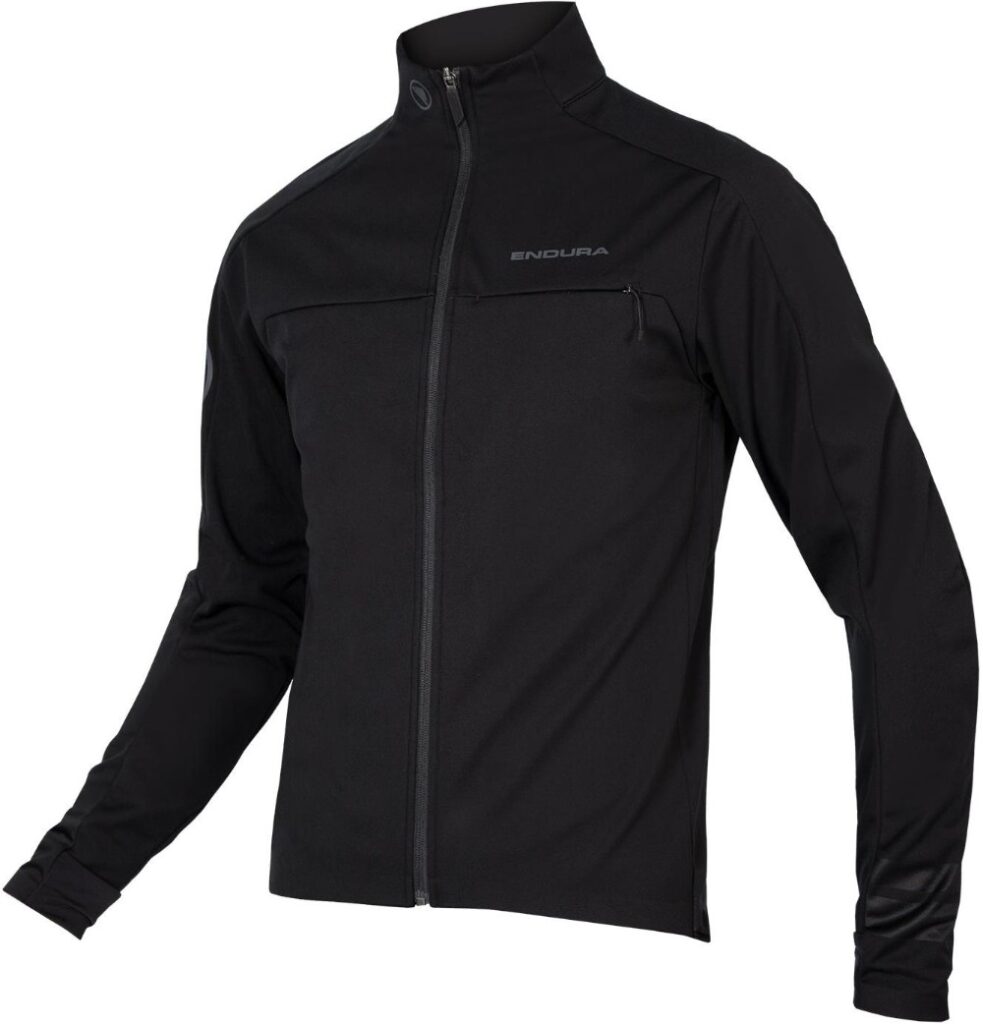
Start with what you have, but specific baselayers, particularly merino do a great job of keeping you warm, but not sweaty. I started with an old Adidas running jacket with reflective details, however while not a must (in the summer) a premium waterproof cycling jackets can be a god send in the winter. I have previously reviewed an excellent Endura base layer here. The Endura jackets are excellent too.
Click here to buy Endura BaaBaa Baselayer
Click here to buy Endura Jacket
Lower Body
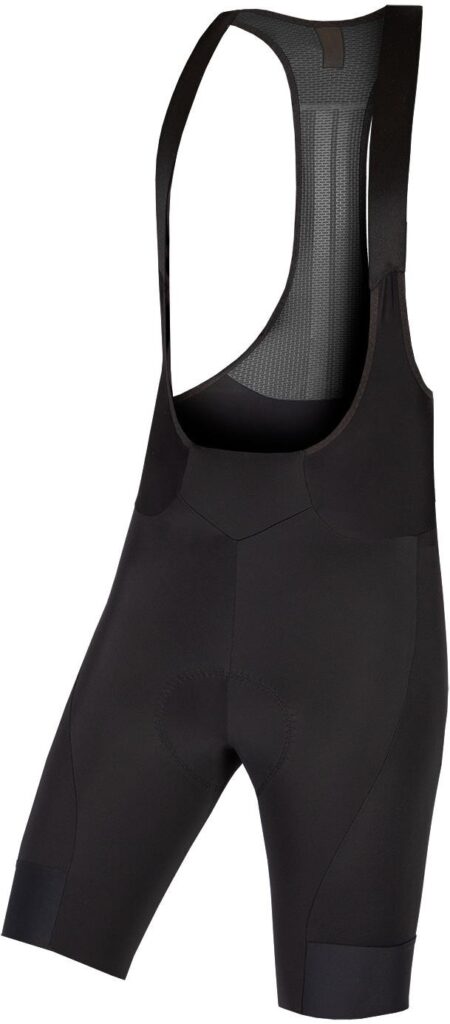
A basic pair of padded cycling shorts (the chamois padding protects your sit bones) will last years—mine certainly have. Wear any shorts over them if you’re not ready for full lycra. You many be against bib short (with the over the shoulder straps) but they stay in place and there is no gap between your top and your shorts. Full length winter bib tights become more essential on longer winter rides.
Click here to buy Endura Padded Bib Shorts
Click here to buy Endura Padded Full Length Bib Tights
Gloves
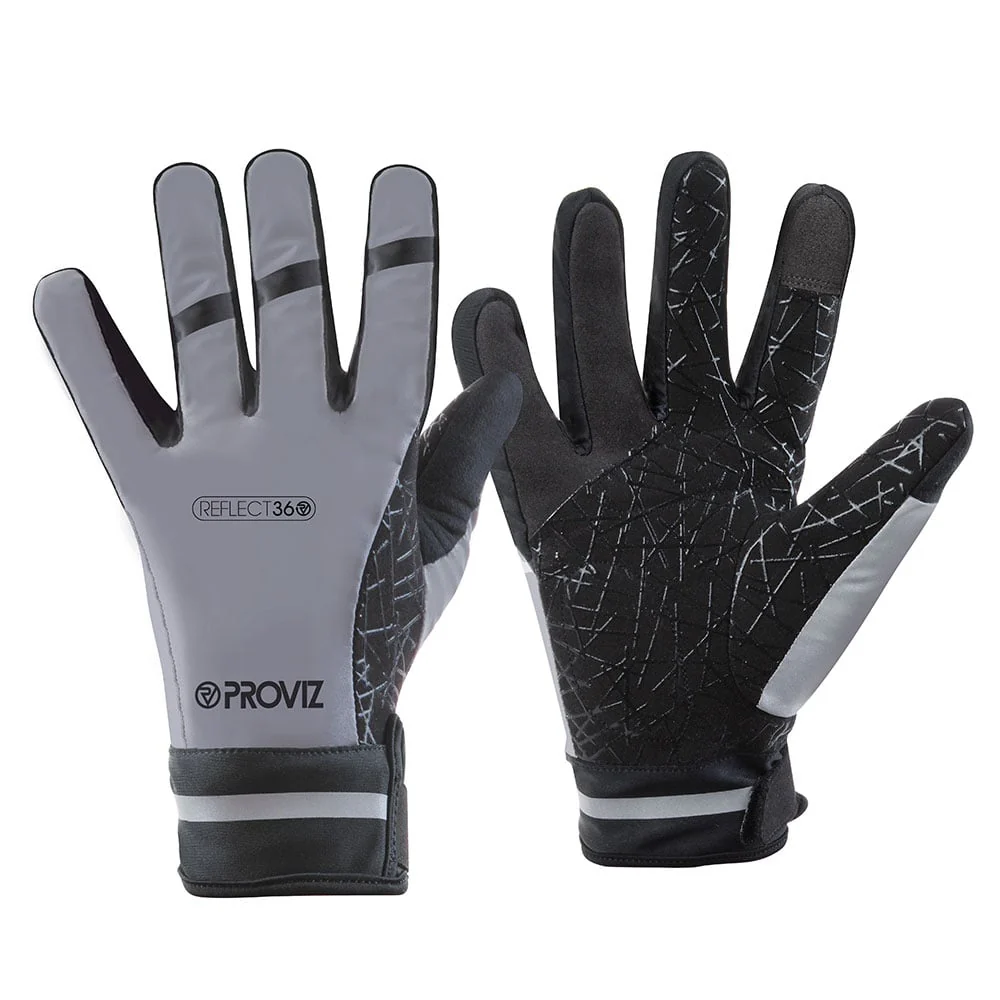
Basic fingerless cycling gloves work perfectly. On freezing days, I layer some windproof gloves underneath. Any gloves that allow you to grip the handlebars, shift gears, and brake effectively will do the job.There is nothing worse than cold hands on a bike, so when you get more serious and take longer rides cycling specific winter gloves will keep you smiling.
Click here to buy Fingerless Cycling Gloves
Click here to buy Windproof Gloves
Click here to buy Cycling Specific Winter Gloves
Backpack
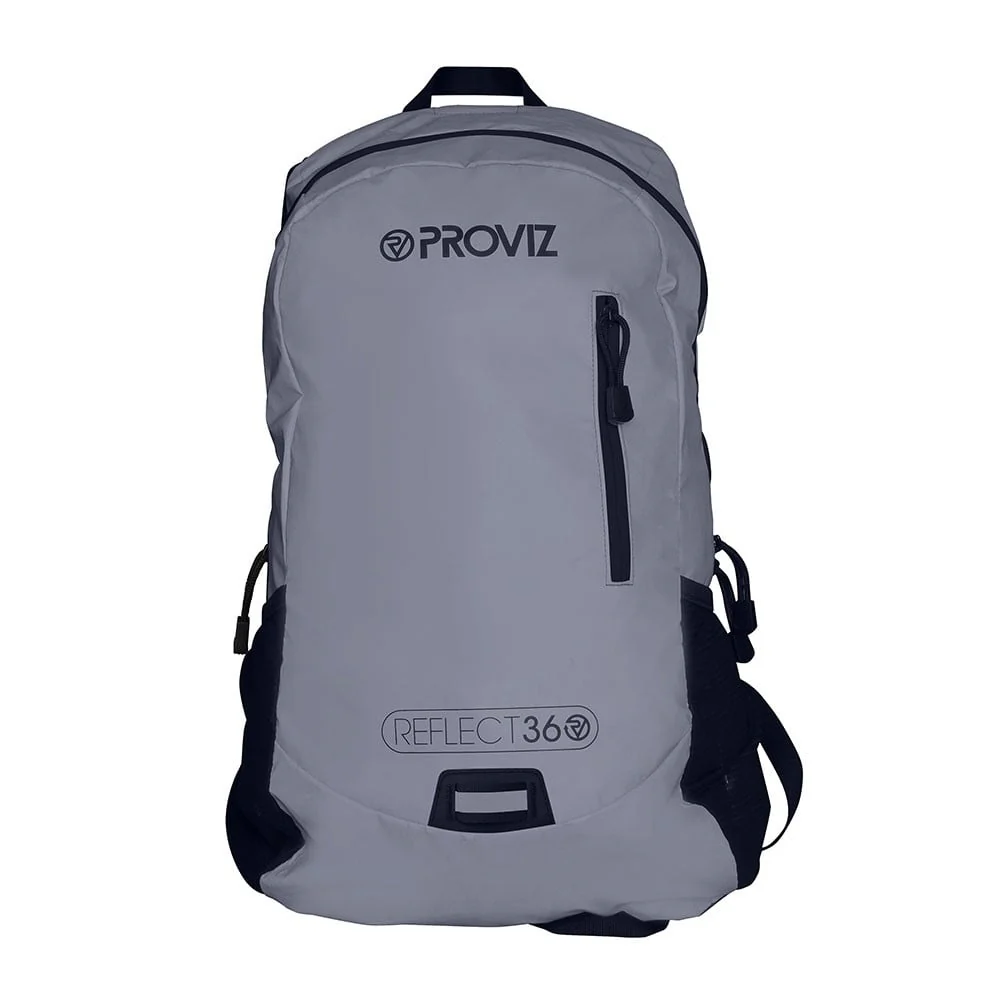
Not essential for everyone, but incredibly useful for commuting. You likely have one already. If you are going to be commuting year round, it’s worth considering something that is fully waterproof and in the winter months something that is highly visible.
Click here for Provis Backpack
What to Carry With You
Spare Inner Tube
Don’t attempt roadside puncture repairs with a patch kit. Swap the tube, get riding, and repair the punctured one at home in comfort.
Tyre Levers
Essential for removing tyres from the rim (and getting them back on). Compact and inexpensive.
Mini Pump
Modern mini pumps are remarkably small yet effective. You’ll need this to inflate your replacement tube.
Multi-Tool
Your Swiss Army knife for the bike—handles adjustments and tightening for nearly every component. I have a Topeak tool that does everything in need and sometimes comes in handy for some DIY at home!
Lock
Indispensable if you plan to leave your bike anywhere. Locks come with security ratings from bronze to gold. Consider weight and how you’ll carry it, then buy the best you can afford—it’s worth the peace of mind. Remember that most wheels have quick-release mechanisms, so a cable lock or second lock for your front wheel is smart.
Click here for D Lock with cable
Being Seen: Safety First
Lights
As nights draw in, lights transition from nice-to-have to essential. Consider two purposes: being seen by others versus seeing where you’re going. Decent sets start around £20, with prices ranging dramatically based on brightness and features.
High-Visibility Gear
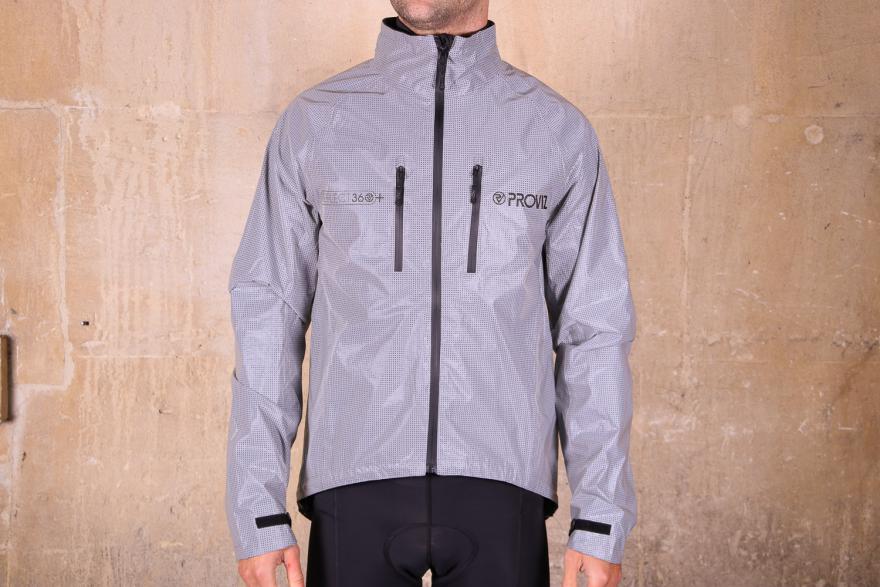
Yes, all-black Team Sky replica kit looks sleek. It also makes you nearly invisible. High-vis clothing, backpack covers, reflective socks, or hi-vis accessories dramatically improve your visibility to drivers. Provis have and excellent range of High-Visibility cycling specific clothing
Click here to buy Men’s Cycling Jacket
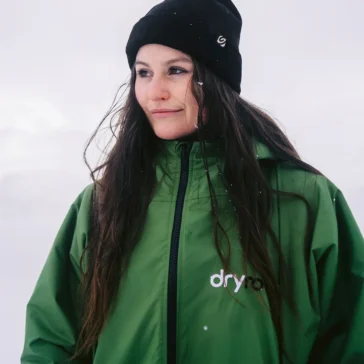
Click here to buy Women’s Cycling Jacket
Click here to buy Provis Backpack
Nice-to-Have Extras
Track Pump
Not essential for your first ride, but incredibly useful for maintaining proper tyre pressure. Good pressure improves rolling resistance and reduces punctures. Quality track pumps start around £20.
The Bottom Line
Starting cycling doesn’t require emptying your savings account. Begin with a sensible bike, prioritize safety essentials like your helmet and lights, and use gear you already own wherever possible. As you ride more and discover what matters to you personally, you can upgrade strategically.
The most expensive kit won’t make you a cyclist—getting out and riding will. Start simple, stay safe, and enjoy the ride.
Disclaimer : This post contains affiliate links. If you purchase through these links, I may earn a commission at no extra cost to you. I only recommend products I genuinely believe will benefit my readers.