

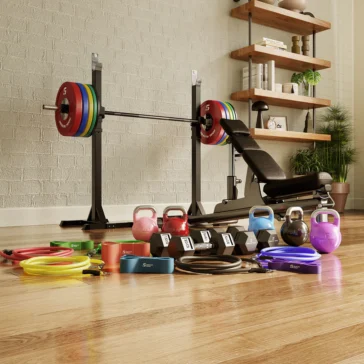
With the ongoing cost of living crisis putting pressure on household budgets, expensive gym memberships are increasingly difficult to justify. Between rising energy bills, grocery costs, and everyday expenses, spending £40-60 per month on a gym membership can feel like a luxury many of us can’t afford. The good news? You don’t need to sacrifice your fitness goals. Building an effective home gym is more affordable than you might think, and you can get started with less than £200.
In this guide, I’ll walk you through the essential equipment that delivers maximum value for money, helping you create a versatile workout space without breaking the bank.
Why Invest in a Home Gym?
Before we dive into the equipment, let’s consider the long-term savings. A typical gym membership costs around £40-50 per month, which adds up to £480-600 annually. By investing £200 once, you’re essentially paying for four months of gym membership but gaining equipment that will last for years. Plus, you’ll save time on commuting and have the flexibility to work out whenever suits you.
The Essential Equipment
1. Resistance Bands Set (£15-30)
Resistance bands are arguably the most versatile piece of equipment you can own. These simple elastic bands can replicate almost any gym machine exercise and are perfect for strength training, stretching, and rehabilitation work.

What to look for:
– A set with multiple resistance levels (typically 5-6 bands ranging from light to extra heavy)
– Door anchors and handles for varied exercises
– Ankle straps for lower body work
Why they’re essential : Resistance bands work for every fitness level, take up virtually no space, and can be packed away in seconds. You can use them for upper body, lower body, and core exercises. They’re also gentler on joints than free weights, making them ideal if you’re recovering from injury or new to strength training.You can also take them which you while traveling.
Price range: £15-30
Click here for Resistance Bands
2. Adjustable Dumbbells or Kettlebell Set (£40-80)
Free weights are the cornerstone of any home gym. You have two excellent options here depending on your space and preferences.
Option A: Adjustable Dumbbells
These allow you to change the weight quickly, saving both money and space. Rather than buying multiple pairs of fixed-weight dumbbells, one adjustable set can take you from 2kg to 24kg.

Option B: Kettlebell Set
A 12kg, 16kg, and 20kg kettlebell trio covers most people’s needs. Kettlebells are exceptional for dynamic movements like swings, Turkish get-ups, and goblet squats.

Why they’re essential : Progressive overload is key to building strength, and weights allow you to challenge your muscles in ways bodyweight exercises alone cannot. Whether you choose dumbbells or kettlebells (or both if budget allows), you’ll unlock hundreds of exercise variations.
Price range: £40-90
Click here for Adjustable Dumbbells
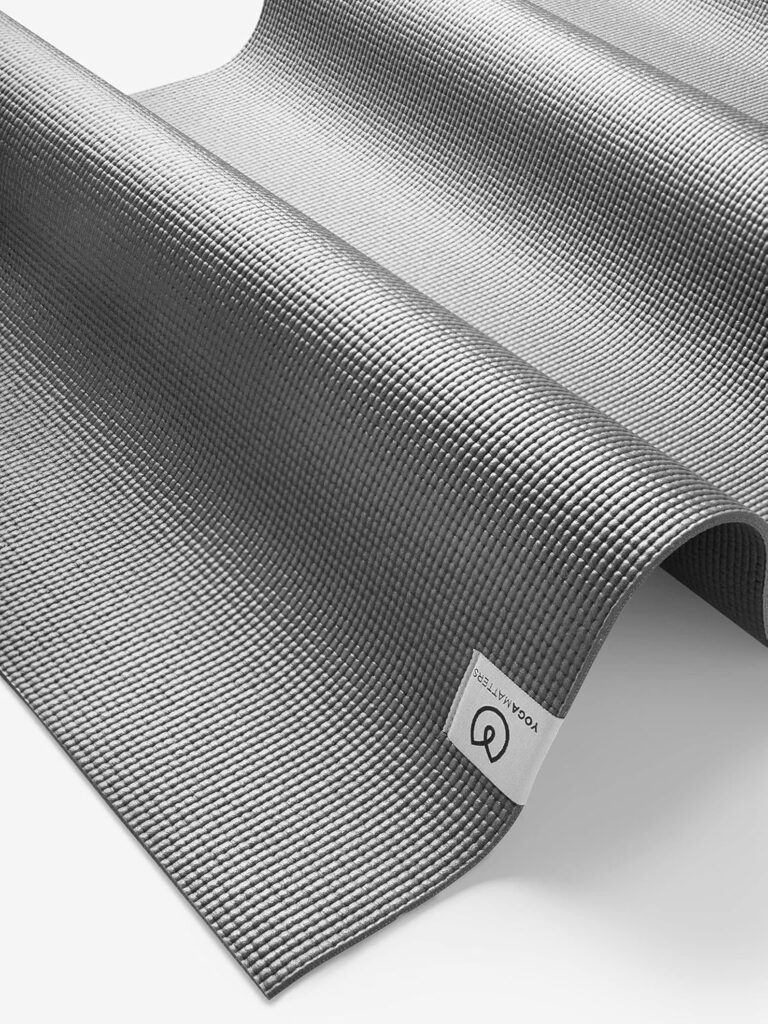
3. Quality Yoga Mat (£20-40)
Don’t underestimate the importance of a proper workout mat. Cheap mats compress quickly, slip around, and can make floor exercises uncomfortable.
What to look for:
– At least 6mm thickness for cushioning
– Non-slip surface on both sides
– Easy to clean material
– Adequate length (ideally 180cm+)
Why it’s essential: A good mat protects your joints during floor work, provides grip for yoga and stretching, and defines your workout space. It’s also crucial for core exercises, cool-downs, and mobility work. A few years ago, i got my Mum a Yogamatters yoga mat and it is still going strong and she is very happy with it.
Price range: £20-40
Click here for Yogamatters mat
4. Pull-Up Bar (£20-40)
A door frame pull-up bar is an incredible investment for upper body strength. Modern designs require no drilling and fit securely in standard door frames.

What to look for:
– Adjustable width to fit your doorframe
– Padded or ergonomic grips
– Weight capacity suitable for your needs (most support 120kg+)
– Multiple grip positions
Why it’s essential : Pull-ups and chin-ups are among the most effective upper body exercises. You can also use the bar for hanging knee raises, leg raises, and stretching. It’s one piece of equipment that truly punches above its weight in terms of value. The link below is for a well reviewed pull up bar, with plenty of happy customers.
Price range: £20-40
5. Foam Roller (£10-25)
Recovery is just as important as the workout itself. A foam roller helps with muscle recovery, flexibility, and can prevent injury.
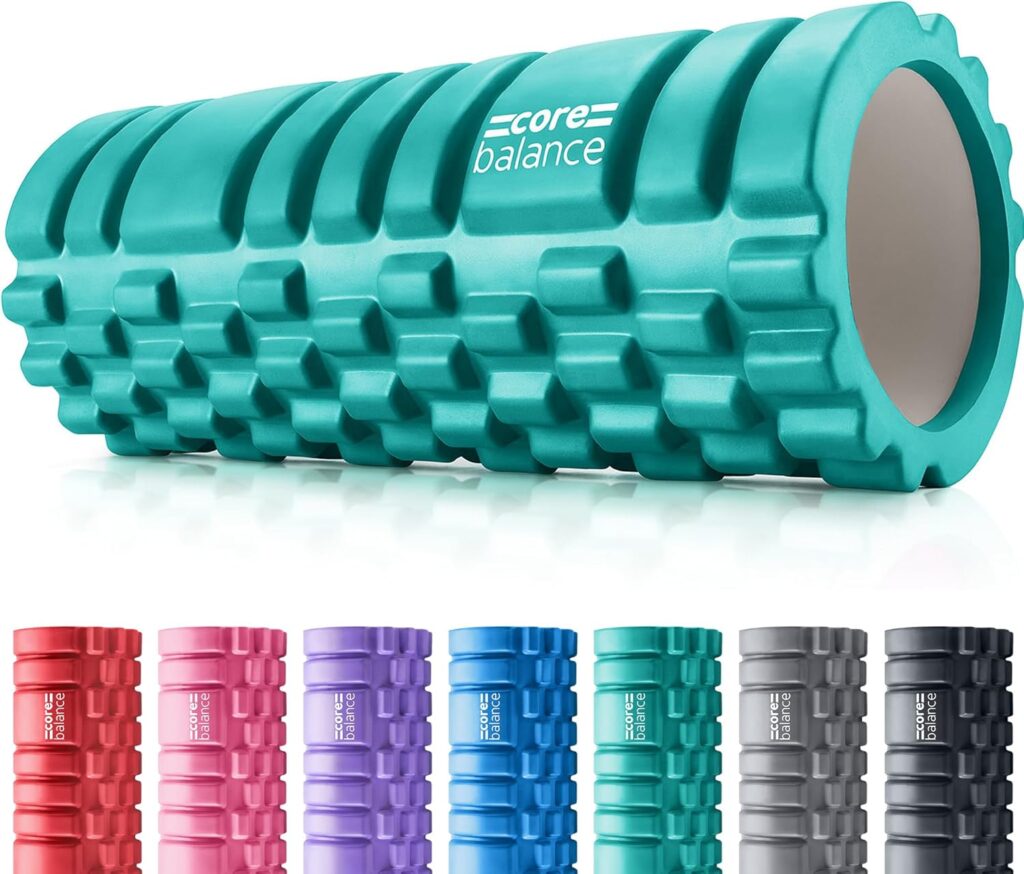
What to look for:
– Medium density (not too soft, not rock hard)
– Textured surface for better myofascial release
– Around 30cm length
Why it’s essential : Foam rolling improves blood flow, reduces muscle soreness, and helps maintain flexibility. Using it for just 10 minutes after workouts can significantly improve how you feel the next day. The link below is for a well reviewed roller that comes in a variety of colours and not too large, so easy to store.
Price range : £10-25
6. Skipping Rope (£8-15)
For cardiovascular fitness on a budget, nothing beats a skipping rope. It’s the same tool professional boxers use for conditioning. I got myself a skipping rope during lockdown when i could only train in my garden. A mat to skip on is also very useful to protect your floor and your skipping rope.

What to look for:
– Adjustable length
– Comfortable handles
– Ball bearing mechanism for smooth rotation
– Speed rope design if you want to progress to double-unders
Why it’s essential : Ten minutes of skipping can burn as many calories as 30 minutes of jogging. It improves coordination, cardiovascular fitness, and can be done in minimal space. Perfect for warm-ups or standalone cardio sessions.
Price range : £8-15
7. Exercise Ball (Gym ball) (£15-25)
Also known as a Swiss ball or stability ball, this inflatable sphere adds an instability element to exercises, engaging your core muscles more effectively.
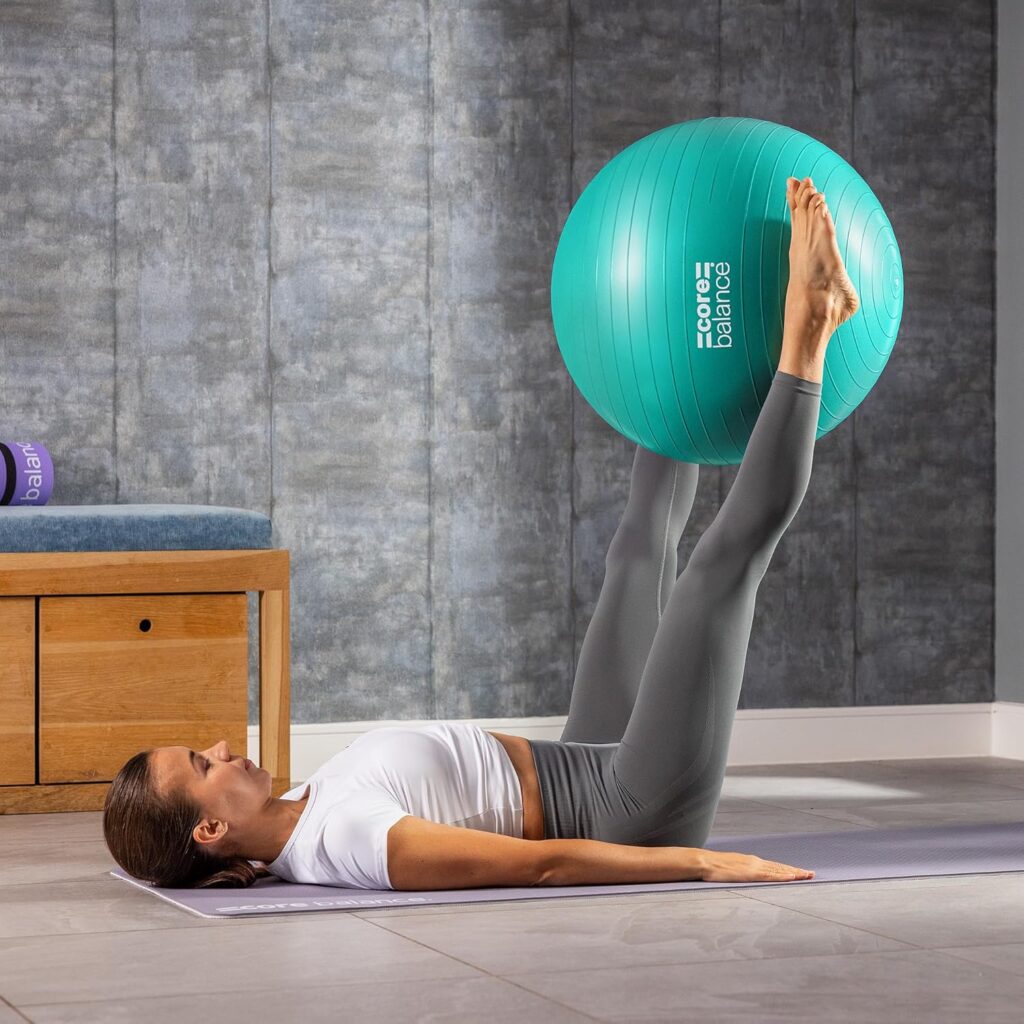
What to look for:
– Anti-burst rating
– Correct size for your height (typically 65cm for most people)
– Includes pump
Why it’s essential : Use it for core work, as a bench alternative for dumbbell exercises, or even as an active sitting option while working from home. It’s particularly excellent for ab exercises and lower back strengthening.
Price range : £15-25
Putting It All Together: Your £200 Home Gym
Here’s a complete setup that stays within budget:
– Resistance Bands Set: £25
– Kettlebell Set (12kg, 16kg, 20kg): £60
– Quality Yoga Mat: £30
– Pull-Up Bar: £30
– Foam Roller: £20
– Skipping Rope: £10
– Exercise Ball: £20
Total: £195
This combination gives you everything needed for strength training, cardio, flexibility work, and recovery. You can perform hundreds of different exercises and create varied, challenging workouts that target every muscle group.
Sample Workout with Your New Equipment
To show you how versatile this setup is, here’s a full-body workout using everything:
Warm-up (5 minutes):
– Skipping rope: 3 minutes
– Foam rolling: 2 minutes
Main Workout (30 minutes):
– Pull-ups: 3 sets of max reps
– Kettlebell goblet squats: 3 sets of 12
– Resistance band rows: 3 sets of 15
– Exercise ball hamstring curls: 3 sets of 12
– Kettlebell swings: 3 sets of 20
– Resistance band chest press: 3 sets of 15
– Exercise ball plank: 3 sets of 45 seconds
Cool-down (5 minutes):
– Yoga mat stretching
– Foam rolling
Tips for Maximizing Your Home Gym Investment
1. Start with the basics : If £200 feels steep right now, begin with resistance bands, a yoga mat, and a skipping rope for around £50. Add equipment as your budget allows.
2. Buy quality over quantity : One good kettlebell is better than three cheap ones that won’t last.
3. Look for deals: Black Friday, January sales, and end-of-line clearances can save you 30-50% on fitness equipment.
4. Check reviews : Before clicking any affiliate links, read reviews from multiple sources to ensure you’re getting reliable equipment.
5. Take care of your equipment : Wipe down your mat after use, store resistance bands away from direct sunlight, and keep your weights in a dry area. Proper care extends their lifespan significantly.
6. Utilize free resources : YouTube is packed with free workout programs using exactly this type of equipment. You don’t need expensive training apps.
The Bottom Line
In these financially challenging times, investing in a home gym makes both practical and economic sense. For the price of a few months’ gym membership, you can build a complete workout space that serves you for years to come. The equipment featured here isn’t fancy, but it’s effective, affordable, and proven.
The hardest part isn’t buying the equipment—it’s using it consistently. But with the convenience of working out at home, you’ve removed one of the biggest barriers to fitness. No commute, no crowds, no excuses.
Your fitness journey doesn’t require expensive machines or premium memberships. It requires consistency, effort, and smart equipment choices. With these essentials, you have everything you need to build strength, improve cardiovascular fitness, and maintain your health without breaking the bank.
Ready to build your home gym? Start with the basics that fit your budget and training style, and remember that the best workout is the one you’ll actually do. Having equipment at home makes it that much easier to show up for yourself, even when money is tight.
Disclosure: This post contains affiliate links. If you purchase through these links, I may earn a small commission at no extra cost to you. This helps support the blog and allows us to continue providing free fitness content. I only recommend products we believe offer genuine value.